Introduction
A good wool rug has a way of making a room feel settled, almost like it has finally exhaled. That is the quiet magic behind loloi wool rugs: they bring texture, warmth, craftsmanship, and personality into a space without shouting for attention.
And that matters more than people think. Your rug is the piece your feet touch every morning, the layer your furniture gathers around, and the background that either makes a room feel thoughtful or strangely unfinished. Choose well, and the whole space feels richer. Choose poorly, and even expensive furniture can look disconnected.
The other reason wool deserves attention is practical. Wool has natural resilience, visual depth, and a long design history, which is why it remains one of the most trusted fibers for area rugs. The Woolmark Company notes that thicker wool yarns can be used for carpets, while wool’s structure contributes to performance qualities such as resilience and flame resistance.
Still, not every wool rug is the same. Loloi sells wool and wool-blend rugs across different constructions, including hand-tufted, hand-knotted, hand-loomed, hooked, and hand-woven styles. Understanding those differences will help you pick a rug that feels beautiful in real life, not just in a product photo.
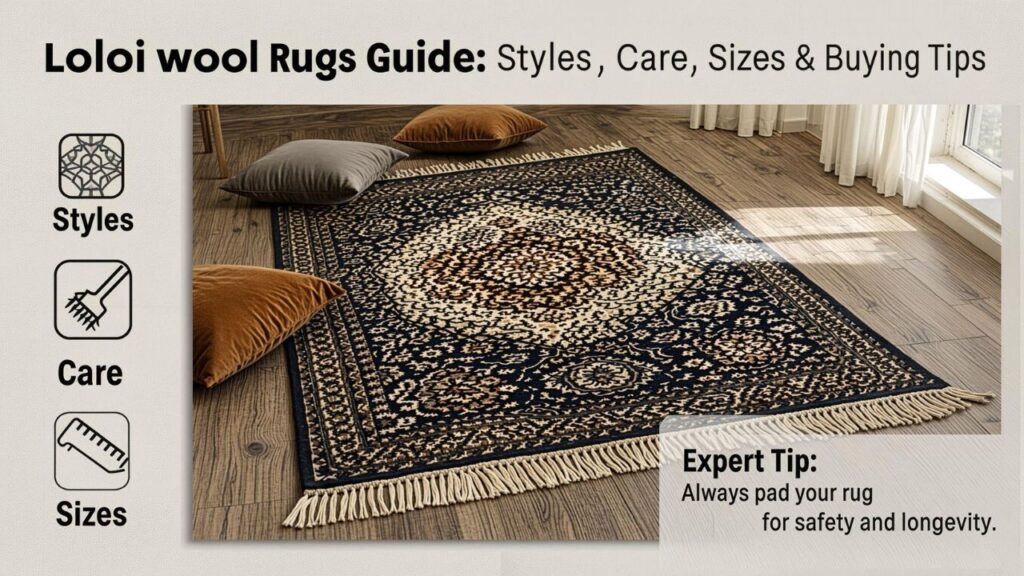
Table of Contents
- Why Wool Rugs Still Feel Special
- What Makes These Wool Rugs Different?
- Types of Loloi Wool Rug Construction
- Best Rooms for Wool Area Rugs
- How to Choose the Right Size
- Design Styles, Colors, and Styling Ideas
- Care, Cleaning, and Shedding Expectations
- Pros, Cons, and Buying Checklist
- Brand Background, Founder Story, and Value Insight
- FAQs
- Conclusion
Why Wool Rugs Still Feel Special
Wool has an emotional quality that is hard to fake. It does not look flat. It catches light softly, absorbs color beautifully, and gives a room that grounded, lived-in feeling people often try to create with layers of pillows and accessories. A wool area rug can make a new apartment feel less temporary, a large living room feel warmer, or a bedroom feel more restful.
In simple terms, wool is a natural fiber from sheep, spun into yarn and used in textiles such as rugs, carpets, upholstery, clothing, and blankets. In rugs, it is loved because it balances softness with strength. It can feel plush underfoot, but it also has enough body to hold pattern and texture well.
The Woolmark Company also highlights wool’s natural flame resistance, explaining that wool needs far higher temperatures to ignite than cotton and that it does not melt like common synthetics. For homeowners, that does not mean wool is magically damage-proof, but it does help explain why wool has long been used in hotels, theaters, homes, and high-use interior spaces.
There is also an indoor comfort angle. Woolmark cites research showing wool carpets can absorb common indoor air contaminants such as formaldehyde, sulphur dioxide, and nitrogen oxides, and may continue helping indoor air quality for many years. That is not the only reason to buy a rug, of course, but it adds to wool’s reputation as a premium, natural material.
What Makes loloi wool rugs Different?
The appeal of these wool rugs comes from the mix of design variety and material choice. Loloi is not a tiny single-style rug maker. It offers a broad catalog that includes traditional patterns, modern solids, Moroccan-inspired textures, cottage-style motifs, designer collaborations, and one-of-a-kind rugs.
The official Loloi rug category lists thousands of rug products and includes construction filters such as hand-knotted, hand-loomed, hand-tufted, hand-woven, power-loomed, and more. That range matters because shoppers can compare a plush hand-tufted wool rug against a low-profile hand-knotted piece or a more casual wool-and-cotton weave without leaving the brand family.
Another difference is collaboration. Loloi works with names such as Amber Lewis, Magnolia Home by Joanna Gaines, Chris Loves Julia, Jean Stoffer, Jeremiah Brent, Rifle Paper Co., Carrier and Company, and others. These partnerships help explain why the brand shows up so often in designer rooms and home inspiration boards.
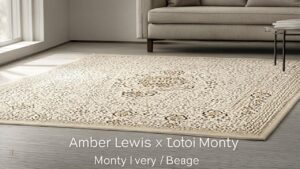
For example, the Windsor Collection from Amber Lewis × Loloi is listed as hand-tufted of 100% wool pile. The Grace Collection by Jean Stoffer is listed as hand-knotted with 100% wool pile, made in India and GoodWeave certified. Those are very different rug personalities, even though both sit under the broad “wool rug” umbrella.
In reality, the best way to shop is not to ask, “Which Loloi rug is best?” It is to ask, “Which construction, pile height, pattern, and fiber blend fit the room I actually live in?”
Types of Loloi Wool Rug Construction
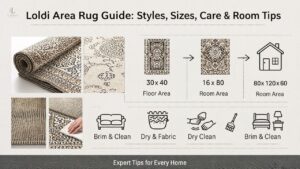
Construction is the hidden detail that affects almost everything: price, texture, durability, shedding, maintenance, and how formal or relaxed the rug looks. Here is the plain-English version.
Hand-Knotted Wool Rugs
Hand-knotted rugs are often the most heirloom-like option. Each knot is tied by hand, creating a rug with depth, character, and long-term value. These rugs usually cost more because they take more labor and time to make.
A hand-knotted wool rug can be a smart choice for a formal living room, dining room, office, or any space where you want a refined, lasting foundation. The Grace Collection by Jean Stoffer, for instance, is listed by Loloi as hand-knotted with 100% wool pile, no backing, and a 0.25-inch pile height.
The feeling is different from a fluffy rug. It is more tailored, more grounded, and often better for furniture placement. If you love English countryside interiors, traditional suiting patterns, vintage motifs, or subtle textural detail, hand-knotted wool is worth considering.
Hand-Tufted Wool Rugs
Hand-tufted rugs are made with yarn inserted into a backing, then finished with a secondary backing. They often feel plush and substantial, and they are typically more accessible than hand-knotted rugs.
Many loloi wool rugs fall into this category. The Rocky Collection by Amber Lewis × Loloi is listed as hand-tufted with 100% wool pile, a 0.38-inch pile height, canvas backing, and Indian origin. Loloi also notes that shedding is expected and recommends regular vacuuming without a beater bar.
Hand-tufted rugs are especially nice in bedrooms, family rooms, dens, and cozy seating areas. They give you that satisfying “soft underfoot” feeling. However, they may shed more at first than some low-profile constructions, so do not panic if your vacuum fills up during the early weeks.
Hand-Loomed and Hand-Woven Wool Rugs
Hand-loomed and hand-woven rugs can range from sleek and simple to richly textured. They often work beautifully in modern organic, coastal, farmhouse, minimalist, and transitional interiors.
Loloi’s Lily Park Collection, designed with Magnolia Home by Joanna Gaines, is described as hand-loomed of 100% wool with a screen-printed pattern applied in a second step. The official product page lists a 0.5-inch pile height and cotton canvas backing.
Meanwhile, some wool rugs are blended with cotton or jute to create a different hand-feel. These blends can make a rug more relaxed, flexible, or textural. That said, always read the exact product details because “wool rug” can mean 100% wool pile, wool blend, wool-and-cotton, or wool-and-jute.
Hooked Wool Rugs
Hooked rugs tend to have a looped texture and often show off pattern in a charming, tactile way. They can lean traditional, botanical, cottage, playful, or artistic depending on the design.
Hooked construction is lovely for rooms that need pattern but not too much formality. Think breakfast nooks, guest bedrooms, libraries, or cheerful family spaces. As with any looped rug, pet claws can sometimes snag loops, so dog and cat owners should pay attention to texture before buying.
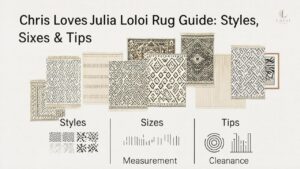
[Image 2: Infographic comparing hand-knotted, hand-tufted, hand-loomed, and hooked wool rug construction.]
Best Rooms for Wool Area Rugs
A wool rug can work in nearly every indoor room, but the right style depends on traffic, furniture, food, pets, sunlight, and mood.
Living Room
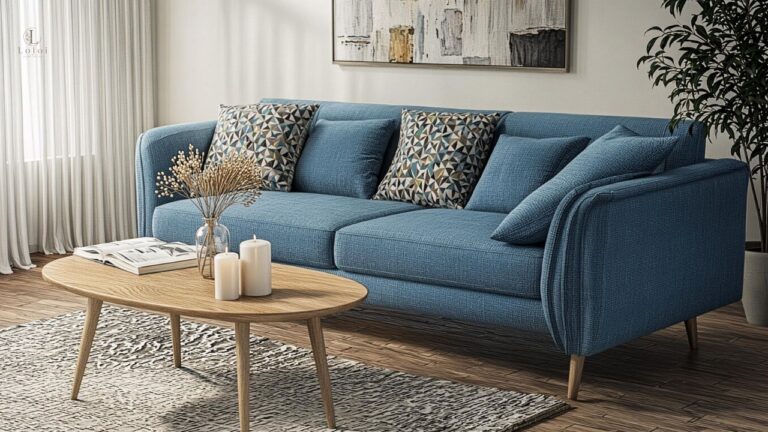
The living room is the natural home for loloi wool rugs because wool adds warmth and structure at the same time. A large wool rug can connect your sofa, chairs, coffee table, and media console into one comfortable zone.
If your living room has a lot of hard materials—wood floors, metal lighting, stone fireplace, glass table—a wool rug softens the whole scene. For a calm look, choose ivory, oatmeal, taupe, sand, sage, or soft gray. For more personality, try rust, indigo, olive, charcoal, or multi-toned patterns.
Bedroom
Bedrooms love wool because comfort is the priority. The rug does not have to withstand dining spills or constant shoe traffic. It simply needs to feel good when you step out of bed.
For a queen bed, a 7’6″ x 9’6″ or 8’6″ x 11’6″ rug often works better than a 5′ x 7′. You want enough rug to extend beyond the bed on both sides. A too-small rug can make the room feel chopped up, while a larger rug creates that soft hotel-like feeling.
Dining Room
Wool can work in dining rooms, but this is where honesty matters. If your household includes toddlers, red wine, curry nights, and no one who wants to blot spills quickly, choose a patterned or darker rug. If the dining room is used mostly for weekend meals or holidays, a lighter wool rug can be stunning.
The most important rule is size. Chairs should remain on the rug when pulled back. Otherwise, chair legs catch on the rug edge, which is both annoying and visually awkward.
Home Office
A low-pile wool rug can make a home office feel more polished, especially if the room also appears on video calls. Choose a dense, flatter construction if you use a rolling chair. A thick tufted rug may feel wonderful, but it can make chair movement frustrating.
Entry and Hallway
Runners are tempting in hallways and entries, but they need a rug pad. Loloi repeatedly recommends an appropriate rug pad on wool product pages to help prevent slipping, add cushion, and improve durability.
For high-traffic areas, look for darker colors, low pile, and patterns that can hide the little realities of daily life. A cream hallway runner may look dreamy in photos, but muddy shoes have a way of humbling beautiful ideas.
How to Choose the Right Size
Rug size is where many people accidentally sabotage a room. The rug may be gorgeous, but if it is too small, the space feels timid. When in doubt, go larger rather than smaller.
Here is a simple sizing table:
| Room or Layout | Common Good Size | Best Visual Rule |
|---|---|---|
| Small living room | 5′ x 7’6″ or 7’6″ x 9’6″ | At least front legs of seating on the rug |
| Medium living room | 7’6″ x 9’6″ or 8’6″ x 11’6″ | Sofa and chairs should feel connected |
| Large living room | 9′ x 12′ or larger | Leave a balanced border of visible floor |
| Queen bedroom | 7’6″ x 9’6″ or 8’6″ x 11’6″ | Rug extends beyond both sides of bed |
| King bedroom | 8’6″ x 11’6″ or 9′ x 12′ | Nightstands may sit on or off the rug |
| Dining room | Usually 8′ x 10′ or larger | Chairs stay on rug when pulled out |
| Hallway | Runner | Leave breathing room on both sides |
| One real-life trick: use painter’s tape to mark the rug size on your floor. Live with the outline for a day. Walk around it. Pull chairs out. Open doors. This tiny step prevents expensive sizing regrets. | ||
| For open-concept rooms, use rugs to create zones. A wool area rug can define the seating area, while another rug or bare flooring can separate dining or kitchen space. This makes a large room feel intentional rather than like furniture drifted into place. |
Design Styles, Colors, and Styling Ideas
The best loloi wool rugs do not just cover the floor; they set the emotional temperature of the room. Some make a space feel quiet and expensive. Others make it feel collected, artistic, rustic, or playful.
Neutral and Textural
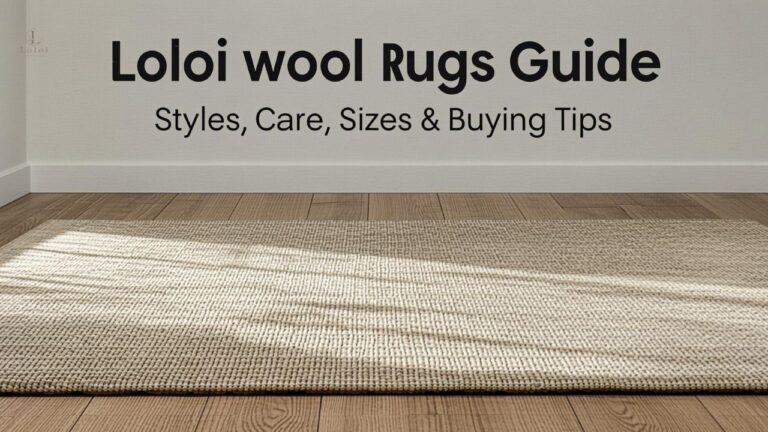
Neutral wool rugs are the safest choice for long-term flexibility. Look for natural, ivory, oatmeal, sand, stone, beige, and soft gray. These shades work with linen sofas, oak furniture, black accents, woven baskets, and warm white walls.
The danger with neutrals is boredom. To avoid a flat room, choose texture: ribbing, high-low pile, subtle checks, woven striations, or tonal pattern. A neutral rug should still have movement.
Vintage and Traditional
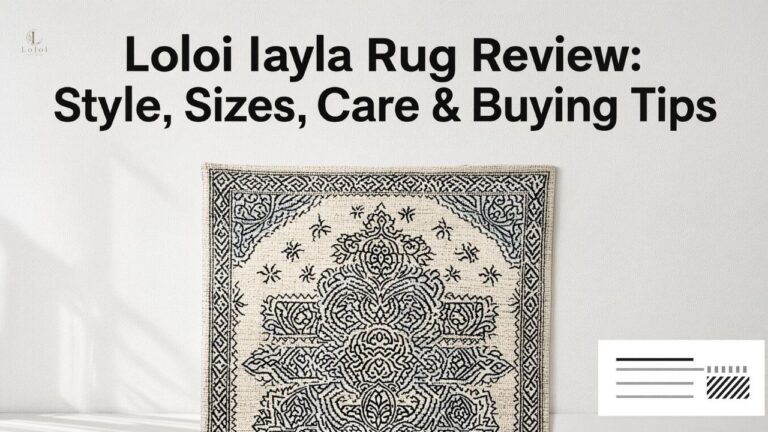
Traditional patterns bring instant character. Medallions, borders, botanical motifs, small-scale repeats, and faded Persian-inspired layouts can make a newer home feel more established.
If your room already has patterned curtains or busy upholstery, choose a quieter rug. If your furniture is mostly solid, a patterned wool rug can be the star.
Modern and Minimal
Modern wool rugs often rely on line, shape, and texture rather than ornate pattern. Think grids, stripes, asymmetry, abstract blocks, and sculptural pile.
These styles work well with low sofas, plaster walls, boucle chairs, travertine tables, and black metal lighting. The effect can be calm but not cold, especially when wool adds tactile softness.
Cottage, Botanical, and Playful
Loloi’s designer collaborations often include softer, more decorative patterns that feel personal rather than stiff. Floral, vine, embroidered, and folk-inspired motifs are ideal for bedrooms, nurseries, craft rooms, and guest spaces.
The key is restraint. If the rug has a lot of charm, let the surrounding pieces breathe. Simple bedding, quiet lamps, and natural wood can keep the room from tipping into clutter.
Care, Cleaning, and Shedding Expectations
Wool rugs are not difficult, but they do ask for the right habits. The biggest mistake is treating every rug the same.
Loloi’s care instructions across wool product pages commonly recommend blotting spills immediately, using professional cleaning when needed, adding an appropriate rug pad, expecting some shedding, and vacuuming without a beater bar or with the bar set high and power on low. Several product pages also advise vacuuming the full length of the rug rather than using aggressive back-and-forth motion.
Here is a practical care routine:
- Vacuum gently once a week in normal rooms.
- Vacuum more often in high-traffic areas or homes with pets.
- Avoid beater bars, harsh suction, and rough back-and-forth strokes.
- Rotate the rug every few months to even out wear and sunlight.
- Blot spills right away with a clean white cloth.
- Use professional rug cleaning for deep soil or stubborn stains.
- Keep a rug pad underneath on hard flooring.
Shedding deserves its own honest note. New wool rugs often shed, especially hand-tufted styles. That does not automatically mean the rug is defective. It usually means loose fibers are working their way out. However, endless heavy shedding, bald spots, or loose tufts may signal a quality or care issue.
The Carpet and Rug Institute recommends vacuuming high-traffic areas often, with all floor coverings ideally vacuumed at least weekly and more often when pets are present. That general advice fits wool rugs well, as long as the vacuum method is gentle.
Also, avoid soaking a wool rug. Wool can handle everyday life, but too much water, harsh chemicals, or improper cleaning can cause texture changes, dye issues, or backing problems depending on the construction.
Pros, Cons, and Buying Checklist
Before buying, it helps to look at the good and the not-so-good without the marketing gloss.
Pros of Wool Rugs
| Benefit | Why It Matters |
|---|---|
| Natural fiber | Adds authentic texture and warmth |
| Soft but resilient | Comfortable underfoot and suitable for everyday spaces |
| Strong design depth | Holds color, pattern, and texture beautifully |
| Naturally flame resistant | Wool’s structure gives it a high ignition point compared with many fibers |
| Long-lasting potential | Quality wool rugs can age gracefully with proper care |
| Wide style range | Loloi offers traditional, modern, textural, and designer-led options |
Cons to Consider
| Drawback | What It Means in Real Life |
|---|---|
| Shedding | Common at first, especially with tufted wool rugs |
| Higher cost | Often pricier than synthetic printed rugs |
| Needs gentle care | Not ideal for careless soaking or harsh cleaners |
| Rug pad needed | Helps with safety, comfort, and longevity |
| Possible color transfer | Some product pages warn not to place certain rugs directly over existing carpet |
| Not all are the same | Wool pile, wool blend, construction, backing, and pile height vary |
Buying Checklist
Use this checklist before ordering:
- Measure the room and furniture layout.
- Choose construction first, then color.
- Read the exact material line, not just the collection name.
- Check pile height if doors, dining chairs, or rolling office chairs matter.
- Order a sample when color accuracy is important.
- Budget for a quality rug pad.
- Read the retailer’s return policy.
- Be realistic about pets, kids, spills, and vacuuming habits.
- Choose pattern for high-traffic rooms and lighter solids for calmer spaces.
- Compare 100% wool pile with wool blends if texture and price both matter.
Brand Background, Founder Story, and Value Insight
Loloi’s own About page says Amir Loloi started the company 20 years ago and frames the brand around the “thoughtfully layered home,” craftsmanship, materials, textures, and centuries-old rug-making traditions.
That background matters because rugs are not purely decorative products. They carry decisions about fiber, labor, dyeing, weaving, finishing, design, and sourcing. Loloi states that in India, processes such as dyeing wool and weaving are still done by hand, and the company says it partners with GoodWeave to audit factories in India against child, forced, and bonded labor.
The brand’s achievements are partly visible through its collaborations. Carrier and Company × Loloi, for example, is described by Loloi as a long-running collaboration rooted in handmade, design-forward rugs, and the brand states that every rug collection in that collaboration is handmade of wool in India and GoodWeave-certified.
As for financial insight, Loloi is a private company, so reliable public net worth or valuation figures are not something to invent. The more useful value insight for buyers is this: wool rugs generally cost more than many synthetic rugs because wool fiber, handmade construction, finishing, and ethical supply-chain programs can add to production cost. The upside is a rug that may offer better texture, long-term design appeal, and a more premium feel.
When comparing loloi wool rugs, you are not just comparing prices. You are comparing construction, fiber content, designer collaboration, country of origin, pile height, backing, and care expectations. A lower-priced wool-blend rug may be perfect for a casual family room. A higher-end hand-knotted wool rug may make more sense in a formal living room where you want something that feels collected and permanent.
FAQs
Are loloi wool rugs good quality?
Yes, many options from Loloi are well-regarded because the brand offers wool rugs in respected constructions such as hand-knotted, hand-tufted, hand-loomed, hooked, and hand-woven styles. Quality still depends on the exact collection, material, backing, pile height, and care routine.
Do wool Loloi rugs shed?
Yes, some shedding is normal, especially with new hand-tufted wool rugs. Loloi product care notes for wool styles often say to expect shedding and recommend regular vacuuming without a beater bar.
Are wool rugs better than synthetic rugs?
Wool rugs usually feel more natural, textured, and substantial, while synthetic rugs can be more budget-friendly and sometimes easier to clean. Wool also has natural performance qualities, including flame resistance, according to Woolmark.
Can I use a Loloi wool rug in a dining room?
Yes, but choose carefully. A low-pile, patterned wool rug is usually better under dining chairs than a thick plush rug. Make sure the rug is large enough so chairs stay on the rug when pulled back.
Do I need a rug pad?
Yes, a rug pad is strongly recommended. Loloi care instructions on wool product pages repeatedly recommend an appropriate rug pad to prevent slipping, add cushion, and improve durability.
How do I clean spills on a wool rug?
Blot spills immediately with a clean white cloth or sponge. Do not scrub aggressively. Loloi commonly recommends professional cleaning for wool rugs when deeper cleaning is needed.
Which room is best for a wool rug?
Living rooms, bedrooms, offices, dining rooms, and reading areas can all work. Bedrooms and living rooms are the easiest choices because they benefit from wool’s softness, warmth, and visual depth.
Are loloi wool rugs pet-friendly?
They can be, especially in patterned or low-pile styles, but pets change the equation. Claws may snag looped textures, and accidents need immediate attention. For pets, choose darker patterns, use a rug pad, and vacuum gently but consistently.
What is the best construction for long-term use?
Hand-knotted wool rugs are often considered the most heirloom-like, while hand-tufted rugs can provide plush comfort at a more approachable price. The “best” choice depends on room use, budget, and how much softness you want.
Are Loloi wool rugs worth the price?
For shoppers who care about natural fiber, tactile texture, design variety, and a more premium feel, yes. The best value comes from matching the right construction and size to the right room rather than simply choosing the cheapest option.
Conclusion
The right rug can change how a room feels before you even notice the furniture. It softens sound, adds warmth, creates a visual anchor, and gives everyday life a more comfortable landing place. That is why these rugs are worth a serious look if you want a rug that feels more substantial than a flat synthetic option.
They are not all identical, though. A hand-knotted wool rug, a hand-tufted bedroom rug, a wool-and-jute blend, and a hooked botanical rug will each behave differently. Read the product details, check the pile height, choose the right size, and be honest about your lifestyle.
In the end, the best wool rug is the one that makes your home feel both beautiful and lived in. If it fits your room, your cleaning habits, and your sense of style, loloi wool rugs can bring that rare mix of comfort, craftsmanship, and quiet confidence that makes a space feel truly finished.