Introduction
Choosing the right rug size for living room spaces can completely transform how a room looks and feels. A rug does far more than cover the floor—it anchors furniture, defines seating areas, adds warmth, and brings the entire design together. But when the size is wrong, even a beautifully decorated room can feel awkward or unfinished.
Many homeowners accidentally choose rugs that are too small, making the living room feel disconnected and visually cramped. Others struggle to understand how rugs should fit beneath sofas, coffee tables, and chairs. The good news is that selecting the perfect rug size doesn’t have to be confusing once you understand a few simple design principles.
Whether your living room is large, compact, modern, traditional, or open concept, the right rug creates balance and comfort while improving the overall layout of the space.
This guide explains everything you need to know about choosing the ideal rug size for living room designs, including sizing charts, placement ideas, decorating tips, and common mistakes to avoid.

Why Rug Size Matters in a Living Room
A rug acts as the visual foundation of a room. It connects furniture pieces and helps create a cohesive layout.
The right rug size can:
- Make a room feel larger
- Improve furniture arrangement
- Add warmth and texture
- Reduce echo and noise
- Define seating zones
- Enhance overall comfort
An incorrectly sized rug, however, often disrupts the room’s proportions and flow.
Understanding proper rug size for living room layouts is one of the most important aspects of interior design.
Standard Rug Sizes for Living Rooms
Area rugs come in several common dimensions.
Popular Living Room Rug Sizes
Typical sizes include:
- 5×7 feet
- 6×9 feet
- 8×10 feet
- 9×12 feet
- 10×14 feet
The best option depends on:
- Room dimensions
- Furniture layout
- Seating arrangement
- Walking space
Small Rugs
Smaller rugs usually work best in compact seating areas or apartments.
Large Rugs
Larger rugs create a more luxurious and connected appearance.
Interior designers often recommend choosing a rug larger than you initially think you need.
How to Measure Your Living Room for a Rug
Accurate measurements prevent costly decorating mistakes.
Measure the Entire Room
Use a measuring tape to determine:
- Room length
- Room width
- Furniture placement
- Walking pathways
Leave Floor Space Around the Rug
Most designers recommend leaving:
- 12–18 inches of visible flooring around the rug edges
In smaller rooms, even 8 inches can work effectively.
Rug Placement Rules Every Homeowner Should Know
Placement affects both comfort and visual balance.
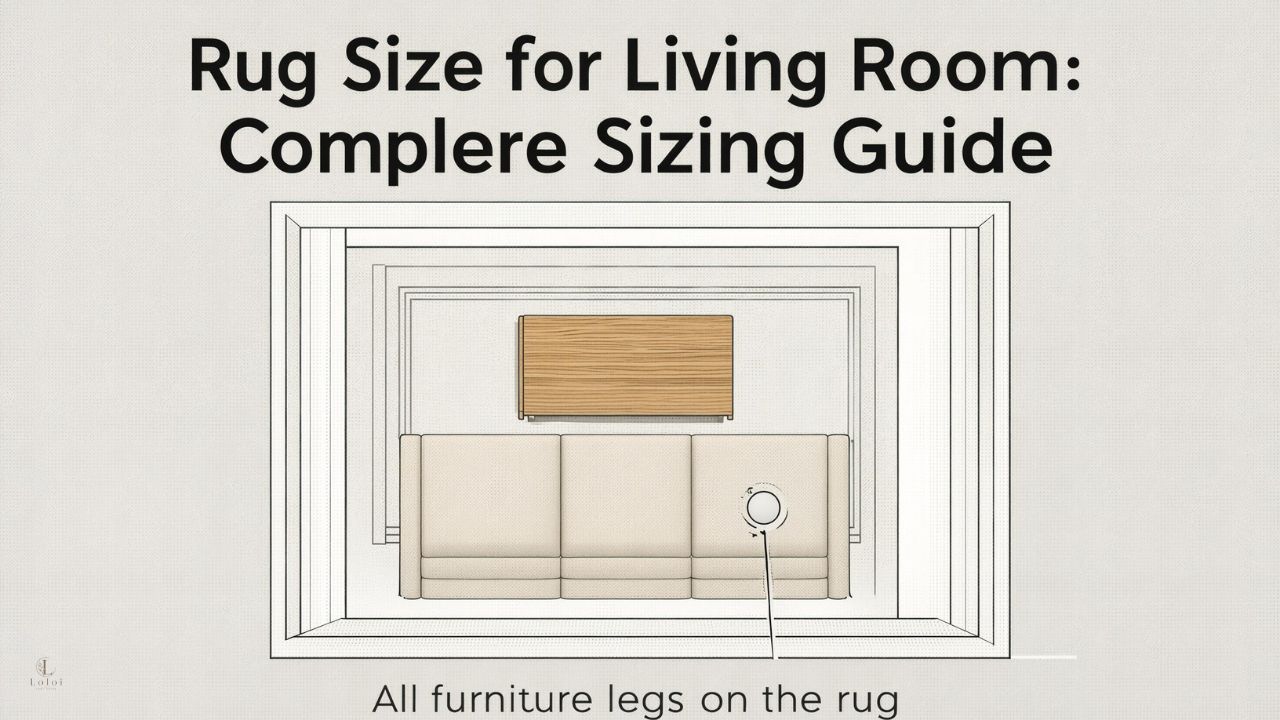
All Furniture Legs on the Rug
This creates the most polished and luxurious appearance.
Best for:
- Large living rooms
- Open-concept spaces
- Spacious seating areas
Front Legs on the Rug
One of the most popular layouts.
The front legs of sofas and chairs rest on the rug while back legs remain off.
Coffee Table Only
Small rugs placed only under coffee tables often make rooms feel disconnected.
This setup generally works best in very compact spaces.
Best Rug Size for Small Living Rooms

Small living rooms require careful balance.
Avoid Tiny Rugs
Tiny rugs can actually make rooms appear smaller.
Choose Larger Rugs When Possible
A larger rug visually expands the room and improves flow.
Use Light Colors
Lighter rugs help create an open, airy appearance.
Choosing the correct rug size for living room layouts is especially important in compact homes where every visual detail matters.
Rug Size for Large Living Rooms
Large spaces benefit from rugs that anchor furniture properly.
Use Oversized Rugs
Large rugs prevent furniture from appearing scattered.
Define Multiple Zones
Open layouts may benefit from:
- Separate seating rugs
- Dining area rugs
- Reading corner rugs
Layer Rugs for Texture
Layering rugs can add depth and visual warmth to larger rooms.
Rug Size for Sectional Sofas
Sectionals often require larger rugs than standard sofas.
Recommended Rug Sizes
Popular options include:
- 8×10 rugs
- 9×12 rugs
- 10×14 rugs
Extend Beyond the Sofa
The rug should extend several inches beyond the sectional edges for balance.
Rug Shape and Living Room Design
Rectangular rugs are most common, but shape also affects room flow.
Rectangular Rugs
Best for:
- Standard seating layouts
- Large living rooms
- Open floor plans
Round Rugs
Round rugs soften sharp angles and work well in:
- Small spaces
- Reading corners
- Conversation areas
Square Rugs
Square rugs complement symmetrical furniture arrangements.
How Rug Color Impacts Room Size
Color influences how spacious a room feels.
Light Rugs
Light tones create:
- Brightness
- Openness
- Airiness
Dark Rugs
Dark rugs add:
- Warmth
- Drama
- Sophistication
Patterned Rugs
Patterns help hide stains and add personality but should complement the furniture style.
Rug Materials for Living Rooms
Material affects comfort, durability, and maintenance.

Wool Rugs
Wool is soft, durable, and naturally stain-resistant.
Synthetic Rugs
Affordable and easy to clean.
Popular for homes with pets or children.
Cotton Rugs
Lightweight and casual.
Best for relaxed interiors.
Jute and Natural Fiber Rugs
Perfect for earthy, organic design styles.
Rug Thickness and Comfort
Pile height affects both appearance and practicality.
Low-Pile Rugs
Best for:
- High-traffic areas
- Easy cleaning
- Under furniture
High-Pile Rugs
Create softness and warmth but may require more maintenance.
Common Rug Sizing Mistakes
Many decorating problems stem from incorrect rug dimensions.
Choosing Rugs That Are Too Small
This is the most common mistake.
Small rugs can make expensive furniture arrangements feel disconnected.
Ignoring Furniture Layout
Rugs should connect furniture rather than float independently.
Blocking Doorways
Always ensure doors can open smoothly over the rug.
Forgetting Traffic Flow
Leave enough walking space around furniture and rug edges.
Avoiding these issues helps ensure the ideal rug size for living room layouts.
Rug Placement for Open Concept Homes
Open layouts require thoughtful rug positioning.
Use Rugs to Define Spaces
Separate rugs can visually divide:
- Living rooms
- Dining areas
- Home offices
Maintain Visual Consistency
Choose complementary rug colors or textures to unify the overall design.
Best Rug Styles for Different Living Rooms
Style matters just as much as size.
Modern Living Rooms
Choose:
- Neutral rugs
- Geometric patterns
- Minimalist textures
Traditional Spaces
Look for:
- Persian rugs
- Rich colors
- Detailed patterns
Farmhouse Interiors
Natural fiber and vintage-style rugs work beautifully.
Scandinavian Design
Light-colored rugs with subtle patterns create warmth without clutter.
How to Layer Rugs Properly
Layering adds texture and visual interest.
Start With a Large Neutral Base
Natural fiber rugs often work well underneath.
Add a Smaller Accent Rug
Place patterned or colorful rugs on top for contrast.
Balance Proportions Carefully
The top rug should never overwhelm the base layer.
Rug Maintenance Tips
Proper care extends rug lifespan significantly.
Vacuum Regularly
Frequent vacuuming prevents dirt buildup.
Rotate the Rug
Rotating every few months distributes wear evenly.
Use Rug Pads
Pads improve:
- Comfort
- Stability
- Floor protection
Clean Spills Quickly
Immediate cleaning prevents permanent stains.
Best Rug Size for Apartments
Apartment living rooms often require space-conscious solutions.
Use 5×7 or 6×9 Rugs
These sizes usually fit compact layouts effectively.
Keep Furniture Connected
Even in smaller apartments, at least front furniture legs should rest on the rug.
Avoid Overcrowding
Choose rugs that complement the room without overwhelming it.
Rug Trends in Modern Interior Design
Current rug trends focus on comfort and natural textures.
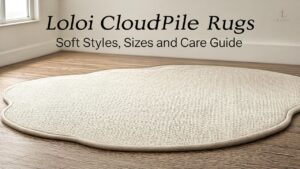
Organic Shapes
Curved and irregular rugs are becoming increasingly popular.
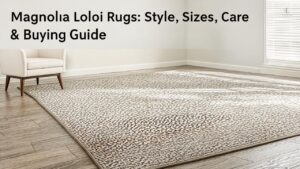
Vintage-Inspired Patterns
Distressed and faded designs add character and warmth.
Earth Tones
Warm neutrals and earthy shades remain highly popular.
Budget-Friendly Rug Shopping Tips
Beautiful rugs exist at many price points.
Focus on Size First
Correct sizing matters more than expensive materials.
Consider Synthetic Fibers
Many synthetic rugs now closely resemble natural materials.
Shop Larger Sales
Rugs often go on significant seasonal discounts.
How Furniture Arrangement Affects Rug Size
Furniture placement and rug size should work together.
Floating Furniture Layouts
Larger rugs help anchor floating seating areas.
Wall-Aligned Furniture
Smaller rugs may work better when furniture sits against walls.
Symmetrical Layouts
Square or centered rugs complement balanced furniture arrangements.
FAQ
Frequently Asked Questions
What is the best rug size for a living room?
The best size depends on the room layout, but 8×10 and 9×12 rugs are among the most popular options for standard living rooms.
Should a rug go under the couch?
Yes. Ideally, at least the front legs of the couch should rest on the rug for a balanced appearance.
Can a rug be too big for a living room?
A rug can feel oversized if it touches walls or leaves no visible flooring border around the edges.
What happens if a rug is too small?
Small rugs often make furniture feel disconnected and can visually shrink the room.
How much floor should show around a rug?
Most designers recommend leaving 12–18 inches of visible floor around the rug edges.
Are round rugs good for living rooms?
Yes. Round rugs work especially well in smaller spaces or rooms with curved furniture layouts.
What rug color makes a room look bigger?
Light-colored rugs generally make rooms feel larger and more open.
Should all furniture sit on the rug?
In larger rooms, yes. In smaller rooms, having only the front legs on the rug is also a common and stylish approach.
What rug material is best for living rooms?
Wool is highly durable and comfortable, while synthetic materials are affordable and easier to clean.
Conclusion
Choosing the right rug size for living room spaces can dramatically improve the comfort, balance, and overall appearance of your home. A well-sized rug helps connect furniture, define seating areas, and create a more polished and inviting atmosphere.
The key is understanding how the rug interacts with the room’s layout, furniture placement, and proportions. Whether you prefer modern minimalism, cozy farmhouse décor, or elegant traditional interiors, the right rug anchors the entire space beautifully.
With careful measurements, thoughtful placement, and attention to scale, you can create a living room that feels both visually balanced and incredibly comfortable every day.