Article
Planning a room for a girl who is no longer a little kid but not quite a teenager can feel surprisingly tricky. The best tween girl bedroom ideas need to respect her personality, support her daily routines, and still make sense for your home, budget, and long-term use.
A tween bedroom is more than a place to sleep. It often becomes a homework zone, reading nook, hangout space, creativity corner, getting-ready area, and private retreat all in one. That means the room needs to be cute, yes, but also functional, flexible, safe, and easy to keep organized.
The good news is that you do not need a full renovation or designer-level budget to create a room she loves. With the right layout, color palette, storage choices, and personal details, you can build a space that feels age-appropriate now and adaptable for the next few years.
What Makes a Great Tween Bedroom?
A great tween bedroom sits between childhood whimsy and teen independence. It should feel more mature than a little-girl room, but it does not have to look like an adult bedroom. The sweet spot is a space that gives her more control while still using practical choices parents can live with.
For most families, the best tween bedroom includes:
- A comfortable bed with cozy layers
- Storage for clothes, books, accessories, hobbies, and school supplies
- A desk or homework surface
- Good lighting for reading, studying, and relaxing
- A few statement decor pieces
- Room for personal expression
- Durable furniture that can grow with her
The biggest mistake is designing the room around a very specific trend she may outgrow quickly. Instead of making every wall, pillow, and accessory match one theme, use a flexible foundation and add personality through pieces that are easier to swap.
For example, instead of painting the entire room neon purple because she loves purple this month, try a soft lavender wall color, purple throw pillows, peel-and-stick decals, or framed art. The room still feels personal, but it can evolve.
Start With Her Personality, Not Just a Theme
Before choosing bedding or paint, think about how she actually uses her room. Some tweens want a calm, cozy hideaway. Others want a bright room for friends, crafts, music, or gaming. Some care deeply about aesthetics, while others mostly need better storage.
Ask yourself:
- Does she prefer soft, calm colors or bold, playful ones?
- Does she need more space for homework, art, dance, reading, or beauty routines?
- Is she sentimental about childhood toys, or ready for a more grown-up look?
- Does she share the room with a sibling?
- Is the bedroom small, medium, or spacious?
- How much maintenance can she realistically handle?
A room that works with her personality is more likely to stay clean, comfortable, and loved. The goal is not to create a perfect showroom. It is to design a bedroom that supports who she is becoming.
1. Soft Modern Bedroom With Grown-Up Details
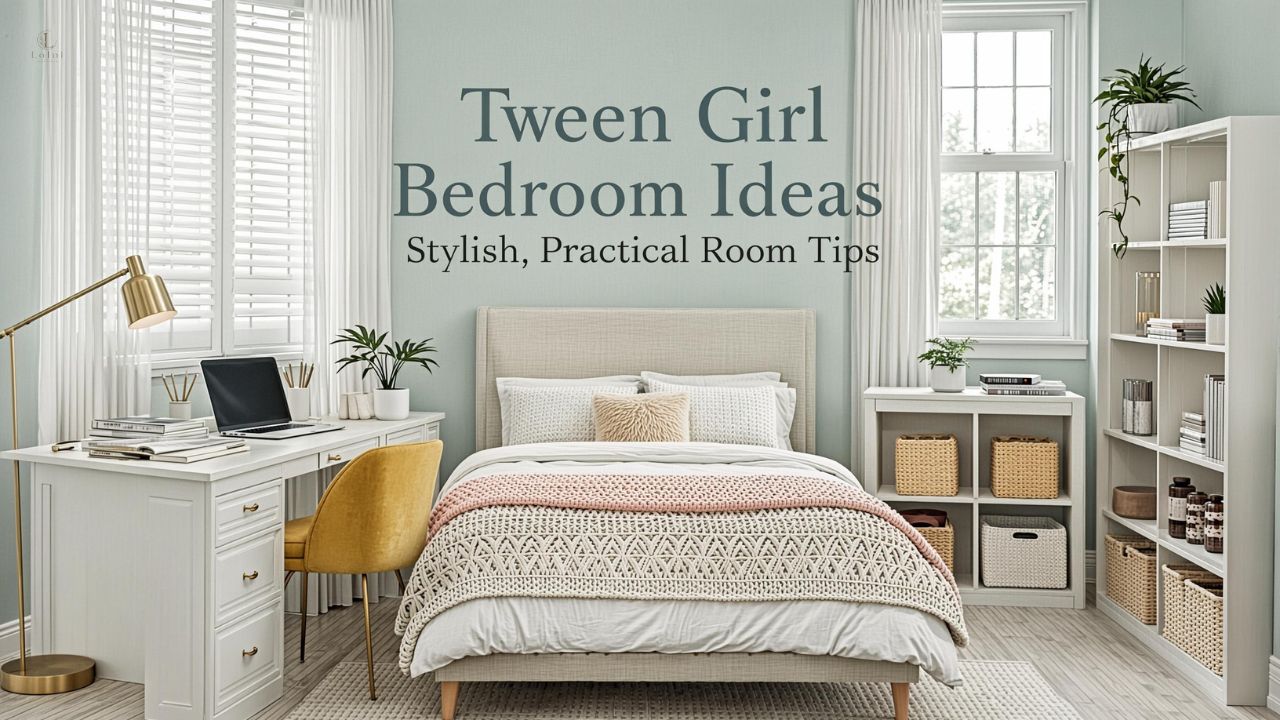
A soft modern bedroom is one of the easiest directions for a tween because it feels stylish without being too mature. Think clean lines, gentle colors, cozy textiles, and a few polished details.
This style often works well with:
- White, cream, blush, sage, soft blue, or warm beige walls
- A simple upholstered or wood bed
- Layered bedding
- Minimal wall art
- Gold, matte black, or brushed nickel accents
- A small desk with tidy storage
Why it works: it gives her a room that feels more grown up, but it still leaves plenty of room for fun accessories.
Best for: tweens who like a calm, pretty, organized space.
Practical tip: Choose one or two “grown-up” pieces, such as a sleek lamp, framed print, or upholstered headboard, then keep the rest comfortable and age-appropriate.
Possible drawback: If the room becomes too neutral, it may feel more like a guest room than her room. Add personality through art, photos, a pinboard, colorful books, or a favorite throw blanket.
2. Cozy Cottage-Inspired Tween Room
A cozy cottage bedroom is warm, sweet, and timeless. It is especially good for girls who like soft textures, floral prints, vintage-inspired details, and a room that feels comforting.
Use elements such as:
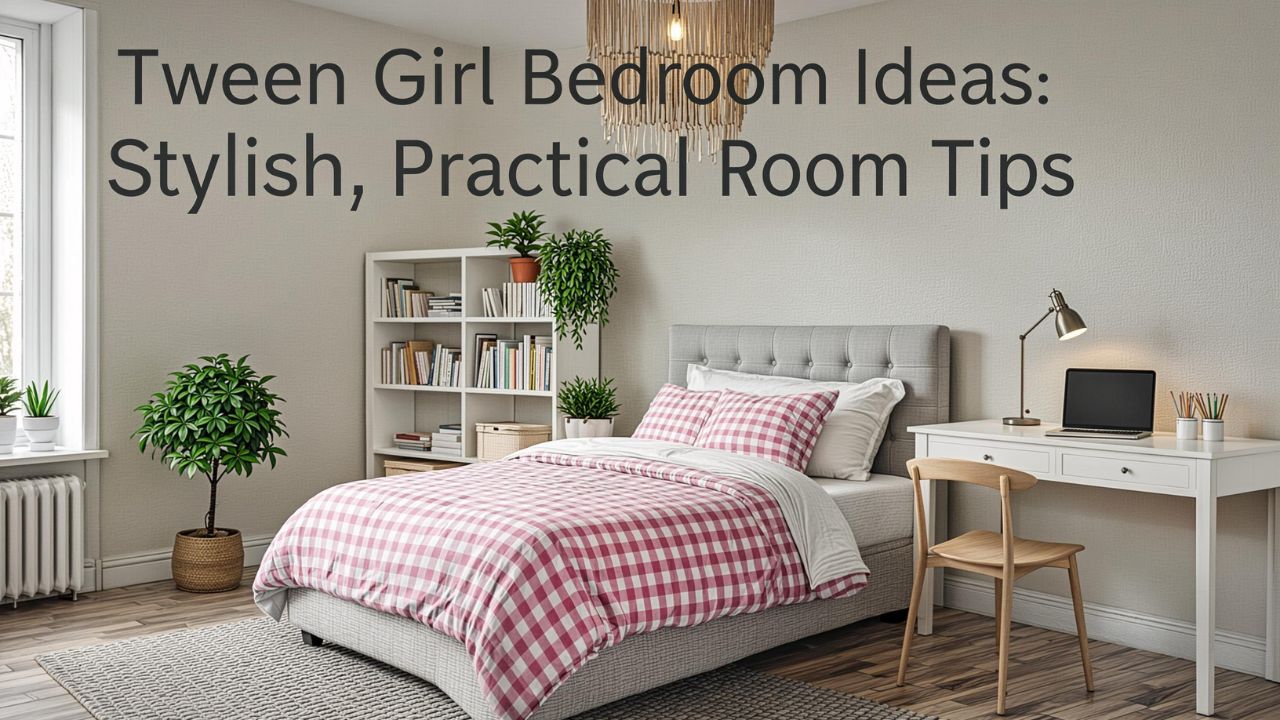
- Floral or gingham bedding
- A painted wood nightstand
- A rattan chair or woven basket
- Soft wall colors like cream, dusty rose, butter yellow, pale green, or sky blue
- Vintage-style frames
- A quilt or knit throw
This look works beautifully because it does not rely on character themes or fast-moving trends. It can feel youthful now and still be charming later.
Best for: tweens who love reading, crafts, soft colors, and cozy spaces.
Practical tip: Mix patterns carefully. Pair one main floral print with smaller-scale stripes, checks, or solids so the room does not feel too busy.
Possible drawback: Too many frilly pieces can make the room feel younger than intended. Balance ruffles and florals with simple furniture and modern lighting.
3. Minimalist Room With Maximum Storage
Some tweens feel calmer in a simple, uncluttered space. A minimalist tween bedroom does not have to be plain or boring. It simply means everything has a purpose, and the room avoids visual overload.
A minimalist room might include:
- A limited color palette
- Closed storage
- A clean desk surface
- Under-bed bins
- A simple comforter
- A few carefully chosen decorations
The key is storage. Minimalism only works when there are enough places to put everyday items. Otherwise, the room quickly becomes messy.
Best for: tweens who are easily distracted, have smaller rooms, or prefer a clean look.
Practical tip: Use labeled bins inside drawers and closets. The outside of the room can look simple, while the inside of storage zones stays organized.
Possible drawback: A room that is too bare may feel impersonal. Add warmth with texture: a soft rug, cozy bedding, corkboard, fabric storage bins, or a favorite poster.
4. Colorful Bedroom With a Balanced Palette
A colorful room can be joyful and expressive, but it needs structure. Instead of using every favorite color equally, choose a main color, a secondary color, and one accent color.
For example:
| Style Direction | Main Color | Secondary Color | Accent Color |
|---|---|---|---|
| Cheerful and bright | White | Coral | Yellow |
| Soft and dreamy | Lavender | Cream | Gold |
| Cool and modern | Pale blue | Gray | Navy |
| Artsy and bold | Blush | Teal | Black |
| Nature-inspired | Sage | White | Terracotta |
This approach helps the room feel intentional rather than chaotic.
Best for: tweens with bold taste, creative hobbies, or lots of opinions about color.
Practical tip: Keep expensive items neutral and use color on bedding, art, lamps, rugs, and accessories. This makes future updates easier.
Possible drawback: Bright colors can feel overwhelming in a small room. Use stronger colors on smaller items or one accent wall instead of every wall.
5. Small Tween Bedroom Ideas That Save Space
A small room can still feel stylish and functional. The secret is to use vertical space, multi-purpose furniture, and fewer bulky pieces.
Smart small bedroom ideas include:
- A bed with drawers underneath
- Wall shelves above a desk
- A slim nightstand
- A floating shelf instead of a bulky bookcase
- Hooks behind the door
- A pegboard for accessories or craft supplies
- A mirror to reflect light
- Light-colored walls and bedding
In a compact room, every item should earn its place. A full-size vanity, oversized chair, and wide dresser may all be nice, but they might not fit comfortably together.
Best for: apartments, older homes, shared bedrooms, and rooms with limited closet space.
Practical tip: Measure before buying anything. Leave enough walking space around the bed, closet, and door so the room does not feel cramped.
Possible drawback: Too many storage solutions can also create clutter. Choose a few strong systems rather than filling every wall with shelves and hooks.
6. Study-Friendly Room for Homework and Creativity
By the tween years, schoolwork often becomes more demanding. A bedroom that includes a clear homework station can help her focus and keep supplies from spreading across the house.
A good study setup includes:
- A desk or small table
- Comfortable chair
- Task lamp
- Pencil cup or drawer organizer
- File holder or paper tray
- Calendar, whiteboard, or corkboard
- Charging spot for devices
The desk does not need to be large. Even a small writing surface can work if it is organized and well-lit.
Best for: tweens with regular homework, art projects, journaling, or online learning.
Practical tip: Place the desk near natural light if possible, but avoid glare on screens. Add a small lamp for evening work.
Possible drawback: If the desk becomes a dumping zone, it stops being useful. Keep a small trash can and a “reset basket” nearby for quick cleanups.
7. Reading Nook for a Calm Retreat
A reading nook can make a tween bedroom feel special without taking over the whole room. It gives her a quiet place to relax, read, draw, listen to music, or decompress.
Ideas for a reading nook:
- A cushioned chair in a corner
- A beanbag with a small side table
- Floor pillows near a bookshelf
- A canopy over a corner mat
- A window seat with storage
- A wall-mounted reading light
This is especially helpful for girls who need quiet time after school or who enjoy having a private retreat.
Best for: book lovers, introverts, creative kids, and tweens who benefit from calming routines.
Practical tip: Add a basket for current books, headphones, a journal, or a cozy blanket.
Possible drawback: Floor cushions can become messy if there is no storage. Use a lidded basket or bench storage to keep the area tidy.
8. Shared Tween Bedroom That Still Feels Personal
Shared rooms can be challenging because each child wants ownership of the space. The goal is to create unity without making everything identical.
A shared tween room can work well with:
- Matching beds but different bedding
- One shared color palette with personal accent colors
- Separate shelves or cubbies
- Individual wall space above each bed
- Two reading lights
- Clear storage zones
- A shared desk with divided supplies
Best for: sisters, siblings with close ages, or homes where space is limited.
Practical tip: Give each child one “personal zone,” even if it is small. A shelf, pinboard, drawer, or bedside basket can reduce conflict.
Possible drawback: Shared decor decisions can become emotional. Set a neutral base first, then let each child personalize smaller items.
9. Boho Tween Bedroom With Texture and Warmth
A boho bedroom is relaxed, creative, and full of texture. It often includes woven pieces, warm neutrals, plants, layered textiles, and casual decor.
Common boho details include:
- Rattan or cane furniture
- Macramé wall hangings
- Layered rugs
- Cream, tan, blush, rust, sage, or mustard accents
- Woven baskets
- String lights
- Plant-inspired decor
Best for: artistic tweens, nature lovers, and girls who like a relaxed, collected look.
Practical tip: Use faux plants if she is not ready to care for real ones. They add the look without the maintenance.
Possible drawback: Boho rooms can become visually cluttered. Keep the color palette limited and avoid too many tiny accessories.
10. Sporty, Dance, or Hobby-Focused Room
Not every tween wants florals, pastels, or glam decor. A hobby-focused room can celebrate what she loves while still looking polished.
Ideas include:
- A dance corner with a mirror and hooks for bags
- Sports medals displayed on a clean wall rack
- Music-themed art and instrument storage
- Craft storage with rolling carts
- A gaming corner with cable management
- A photography wall for favorite shots
Best for: tweens with strong interests, activities, or collections.
Practical tip: Display achievements without overcrowding the room. One dedicated wall, shelf, or board looks more intentional than items scattered everywhere.
Possible drawback: Interests can change. Avoid permanent murals or expensive custom pieces unless you are confident the interest will last.
11. Glam Bedroom Without Going Overboard
A glam tween bedroom can feel fun and confidence-boosting when done with balance. Instead of making the room look too mature, use soft sparkle, pretty lighting, and polished accessories.
Try:
- A velvet or upholstered headboard
- A small vanity mirror
- Crystal-style drawer pulls
- Metallic picture frames
- A faux fur pillow
- Soft pink, ivory, lavender, or champagne accents
- A statement lamp or pendant-style light
Best for: tweens who love fashion, beauty, dress-up, or a polished look.
Practical tip: Keep glam accents age-appropriate and functional. A mirror, jewelry organizer, or pretty storage tray can be decorative and useful.
Possible drawback: Too much sparkle can feel overwhelming or dated. Use shine in small doses.
12. Nature-Inspired Room for a Calm Feel
A nature-inspired bedroom is a great choice for a tween who likes peaceful, earthy spaces. It can also be easier for parents who prefer timeless decor.
Use colors and textures such as:
- Sage green
- Soft clay
- Cream
- Warm wood
- Linen-like bedding
- Botanical prints
- Woven baskets
- Nature photography
- Leaf or floral patterns
Best for: tweens who like calm spaces, animals, plants, hiking, gardening, or earthy colors.
Practical tip: Use washable bedding and practical rugs, especially if she likes pets, crafts, or snacks in her room.
Possible drawback: Too many earth tones can look dull. Add contrast with white, black, brass, or a brighter accent color.
13. Peel-and-Stick Wallpaper or Wall Decals
Peel-and-stick wallpaper is popular for tween rooms because it creates a big visual change without the commitment of traditional wallpaper. It works well behind a bed, around a desk, inside closet doors, or on one feature wall.
Good patterns for tween rooms include:
- Soft florals
- Stars
- Abstract shapes
- Subtle stripes
- Checkerboard
- Botanical prints
- Watercolor designs
- Tiny hearts or dots
Best for: renters, quick makeovers, and families who want a removable design.
Practical tip: Start with one wall or a small area. Busy patterns can overpower a room if used everywhere.
Possible drawback: Some removable wallpaper may not work well on textured walls or may require careful installation. Check the product details before buying.
14. Gallery Wall With Personal Meaning
A gallery wall gives a tween a chance to express herself without repainting or buying all-new furniture. It can include framed prints, photos, postcards, certificates, small mirrors, or meaningful quotes.
To make it look polished, choose one unifying detail:
- Same frame color
- Similar art colors
- Matching matting
- Symmetrical layout
- One shared theme
Best for: tweens who love art, photography, travel, friends, or personal keepsakes.
Practical tip: Use removable picture hanging strips where appropriate, especially if you expect the arrangement to change.
Possible drawback: Too many tiny pieces can look messy. Lay everything on the floor first before hanging.
15. Bed as the Main Design Feature
In many bedrooms, the bed takes up the most space, so it naturally becomes the visual anchor. Updating the bedding can change the entire feel of the room.
A strong bed setup might include:
- A washable comforter or duvet
- Two sleeping pillows
- One or two decorative pillows
- A throw blanket
- A headboard or wall-mounted cushion
- A bedside lamp or sconce
For tweens, comfort matters as much as looks. Scratchy blankets, too many pillows, or delicate bedding can become annoying quickly.
Best for: any room size or budget.
Practical tip: Choose machine-washable bedding whenever possible. Tween bedrooms often handle snacks, pets, makeup, craft supplies, and sleepovers.
Possible drawback: Trendy bedding can date quickly. If the pattern is bold, keep the rest of the room simpler.
16. Smart Storage That Does Not Feel Babyish
Storage is one of the most important parts of a tween bedroom makeover. At this age, girls often have a mix of clothing, school supplies, skincare, accessories, sports gear, books, and sentimental items.
Helpful bedroom storage ideas include:
- Drawer dividers for accessories
- Clear bins for craft supplies
- Under-bed boxes for seasonal clothes
- Closet shelves for shoes and bags
- Hooks for hoodies, hats, and backpacks
- Rolling carts for art, beauty, or school supplies
- Baskets for blankets or stuffed animals
- A nightstand with drawers
Best for: every tween bedroom, especially rooms that currently feel messy.
Practical tip: Use storage based on habits. If she drops her backpack near the door, put a hook there. If she reads in bed, add a bedside basket.
Possible drawback: Complicated systems are hard to maintain. Keep categories simple and visible.
17. Closet Refresh for Better Daily Routines
A bedroom can look beautiful, but if the closet does not work, the room may still feel chaotic. Tweens often need help transitioning from little-kid clothing storage to a more independent system.
Try:
- Lower hanging rods if needed
- Matching hangers
- Bins for sportswear or pajamas
- A laundry hamper inside or near the closet
- Shoe shelves
- Labels for drawers or baskets
- A donation bin for outgrown clothes
Best for: tweens who are starting to choose their own outfits.
Practical tip: Make the most-used items easiest to reach. Formal dresses, seasonal items, and keepsakes can go higher or farther back.
Possible drawback: Over-organizing can backfire. Leave some flexible space for growth, new hobbies, and changing clothing sizes.
18. Lighting Layers for Mood and Function
Lighting can completely change how a room feels. A tween bedroom needs more than one overhead light.
Aim for three types of lighting:
| Lighting Type | Purpose | Examples |
|---|---|---|
| General lighting | Brightens the whole room | Ceiling light, flush mount, fan light |
| Task lighting | Helps with focused activities | Desk lamp, reading lamp, wall sconce |
| Accent lighting | Adds mood and personality | String lights, LED strips, small lamp |
Best for: rooms used for homework, reading, getting ready, and relaxing.
Practical tip: Choose warm, soft lighting for cozy areas and brighter task lighting for the desk.
Possible drawback: Exposed cords can look messy and become a tripping issue. Use cord clips or cable covers when needed.
19. Budget-Friendly Tween Bedroom Makeover Ideas
A beautiful room does not require replacing everything. Often, the most effective updates are small and affordable.
Budget-friendly ideas include:
- Rearranging furniture
- Painting one wall
- Switching bedding
- Adding peel-and-stick decals
- Updating drawer knobs
- Framing inexpensive prints
- Adding a rug
- Organizing the closet
- Using thrifted furniture
- Repurposing baskets or bins
- Creating a DIY pinboard
Best for: families who want impact without a major remodel.
Practical tip: Spend more on pieces that get daily use, such as the mattress, desk chair, dresser, or storage. Save on trend-based decor like pillows, posters, and decorative lights.
Possible drawback: Cheap items are not always a good value if they break quickly. Look for sturdy construction, safe materials, and easy cleaning.
20. Room Ideas That Can Grow Into the Teen Years
The best tween rooms are flexible. A 10-year-old and a 14-year-old may have very different taste, so it helps to build the room in layers.
Long-lasting choices include:
- Neutral furniture
- Classic bed frames
- Solid-color curtains
- Simple rugs
- Adjustable shelving
- A real desk
- Quality lighting
- Timeless wall colors
Easy-to-change choices include:
- Throw pillows
- Posters
- Wall decals
- Bedding
- Lampshades
- Small accessories
- Desk decor
- Storage labels
Best for: families who do not want to redo the room every year.
Practical tip: Let her choose low-commitment items. Parents can guide bigger purchases while still giving her creative control.
Possible drawback: If everything is too neutral for “future use,” she may not feel excited about the room now. Include current favorites in removable, affordable ways.
How to Choose a Color Scheme She Will Not Outgrow Immediately
Color can be the most emotional part of a tween bedroom makeover. She may have strong opinions, and those opinions may change.
A good approach is to choose:
- One base color
- One supporting color
- One personality color
For example, a room could have white walls, sage bedding, and lavender accessories. Another might use warm beige walls, blush bedding, and black accents.
Safe Color Combinations for Tween Bedrooms
| Mood | Color Palette |
|---|---|
| Calm and cozy | Cream, sage, warm wood |
| Playful and bright | White, coral, yellow |
| Soft and feminine | Blush, ivory, champagne |
| Artsy and bold | Teal, pink, black |
| Modern and cool | Gray, white, navy |
| Dreamy and relaxed | Lavender, pale blue, silver |
| Earthy and mature | Clay, olive, cream |
Paint is more work to change than bedding, so use bolder colors on items you can swap later. If she really wants a dramatic color, consider using it on one wall, the inside of a bookshelf, or a small painted furniture piece.
Furniture Essentials for a Tween Girl Bedroom
A tween bedroom does not need a lot of furniture, but it does need the right furniture. Too many pieces can make the room harder to clean and less relaxing.
Bed
A twin, twin XL, or full-size bed can work depending on the room size. A full bed may be nice for sleepovers or long-term use, but it can overwhelm a small bedroom.
Nightstand
A nightstand gives her a place for a lamp, book, water bottle, tissues, lip balm, or alarm clock. Choose one with a drawer if she tends to collect small items.
Dresser
A dresser can be useful, but safety matters. In the United States, clothing storage units manufactured after September 1, 2023 are subject to federal requirements under the STURDY Act, according to the U.S. Consumer Product Safety Commission. Families should still anchor dressers and similar furniture according to manufacturer instructions, especially in rooms used by children.
Desk
A desk is helpful for schoolwork, crafts, and personal projects. If space is tight, use a wall-mounted desk, small writing table, or shared homework zone elsewhere in the home.
Chair or Lounge Seating
A small chair, beanbag, pouf, or floor cushion can make the room feel more inviting. Just make sure it does not block drawers, closet doors, or walking paths.
Safety Considerations Parents Should Not Skip
A tween may seem older and more responsible than a young child, but bedroom safety still matters. Younger siblings, visiting cousins, pets, and sleepover guests may also use the space.
Important safety steps include:
- Anchor dressers, bookcases, and tall storage pieces to the wall.
- Avoid placing heavy items on high shelves.
- Keep cords managed and away from walkways.
- Choose stable furniture that does not wobble.
- Use nightlights or soft lighting if she gets up at night.
- Check recalls for secondhand furniture or electrical items.
- Follow weight limits for loft beds, bunk beds, shelves, and hanging chairs.
The American Academy of Pediatrics recommends anchoring furniture and TVs to help prevent tip-over injuries, and the CPSC also advises securing furniture with anti-tip devices.
If you are painting, refinishing furniture, or adding new pressed-wood furniture, ventilate the room well. The EPA notes that volatile organic compounds can be higher indoors than outdoors and may come from products such as paints, finishes, and building materials.
If a product is marketed as “eco-friendly,” “green,” or low-emission, read the actual product details instead of relying only on broad claims. The Federal Trade Commission says environmental marketing claims should be truthful and not misleading.
Cost and Budget Planning
A tween bedroom makeover can cost very little or become expensive quickly. The final price depends on whether you are simply refreshing decor or replacing furniture.
A basic refresh may include:
- New bedding
- Wall art
- Storage bins
- A lamp
- A rug
- Desk accessories
A larger makeover may include:
- Paint
- New bed frame
- Mattress
- Dresser
- Desk
- Chair
- Window treatments
- Closet system
- Lighting updates
To control costs, divide the room into “must-have,” “nice-to-have,” and “later” categories.
Good Places to Spend More
Spend more on items that affect comfort, safety, and daily use:
- Mattress
- Desk chair
- Dresser or storage furniture
- Lighting
- Quality curtains or shades
- Durable rug
Good Places to Save
Save on trend-driven items:
- Throw pillows
- Wall decals
- Posters
- Decorative baskets
- Novelty lamps
- Small accessories
- Seasonal bedding
A smart room makeover is not about buying everything new. It is about making the room work better and feel more like her.
Mistakes to Avoid When Decorating a Tween Bedroom
Even thoughtful makeovers can go wrong if the room is designed too quickly or too permanently.
Designing Around One Short-Lived Trend
A trendy color, celebrity, show, or aesthetic may be exciting now, but it can fade quickly. Use trends in removable decor rather than permanent choices.
Ignoring Storage
A pretty room without storage will not stay pretty. Plan storage before decor.
Buying Furniture That Is Too Big
Oversized furniture can make a room feel cramped. Measure the room, doorways, closet swing, and walking paths before buying.
Making Every Decision for Her
Tweens want independence. Give her choices within boundaries, such as three paint colors, two bedding options, or a set decor budget.
Letting Her Decide Everything Alone
Complete freedom can lead to mismatched purchases, poor-quality items, or choices she regrets. Collaboration usually works better.
Forgetting Lighting
A room with only one overhead light can feel harsh or incomplete. Add task and accent lighting.
Skipping Safety Checks
Tall furniture, loose cords, overloaded shelves, and unstable pieces can create avoidable risks. Safety should be part of the design, not an afterthought.
A Simple Step-by-Step Bedroom Makeover Plan
A room makeover feels easier when you break it into steps.
Step 1: Clear and Sort
Start by removing trash, outgrown clothes, broken items, and things she no longer uses. Keep sentimental items, but give them a specific home.
Step 2: Measure the Room
Measure walls, windows, furniture, closet space, and walking paths. This prevents costly mistakes.
Step 3: Choose the Mood
Ask her to choose three words for the room, such as cozy, bright, calm, artsy, sporty, glam, or modern.
Step 4: Pick a Color Palette
Choose a base color, supporting color, and accent color. Use the palette to guide bedding, curtains, rugs, and accessories.
Step 5: Plan the Zones
Most tween bedrooms need zones for sleep, storage, schoolwork, and relaxing.
Step 6: Update the Biggest Visual Element
This might be bedding, wall color, rug, or furniture layout. One big change can make the room feel new.
Step 7: Add Storage
Choose storage that matches her habits. Keep daily items easy to reach.
Step 8: Add Personality
Finish with art, photos, keepsakes, hobby displays, and accessories.
Step 9: Do a Safety Check
Anchor tall furniture, manage cords, check lighting, and make sure nothing blocks exits or windows.
Step 10: Create a Reset Routine
Give her a simple weekly reset checklist so the room stays manageable.
Practical Checklist for Parents and Tweens
Use this checklist before calling the room finished:
- The bed is comfortable and easy to make.
- Clothes have a clear storage system.
- School supplies have a home.
- There is enough lighting for reading and homework.
- Tall furniture is anchored.
- Cords are managed.
- The closet is usable.
- Decor reflects her personality.
- The room has some open space.
- Trash and laundry systems are easy to use.
- The design can grow with her.
- She knows how to reset the room weekly.
Real-Life Tween Bedroom Examples
Example 1: The Small Room With Too Much Stuff
A 10-by-10-foot room has a twin bed, dresser, small closet, and piles of books and craft supplies. Instead of buying more furniture, the best update is vertical storage: wall shelves, under-bed bins, a rolling craft cart, and a desk with drawers. A light color palette keeps the room open.
Example 2: The Girly Room She Has Outgrown
A room still has princess bedding, pastel murals, and toy storage. Keep the white furniture, repaint the walls a soft warm neutral, add blush and sage bedding, replace toy bins with woven baskets, and create a gallery wall. The room feels older without losing warmth.
Example 3: The Bold Tween With Changing Taste
She wants bright colors, posters, LED lights, and patterned bedding. Use neutral walls and furniture, then add color through a reversible comforter, removable wall decor, a bold rug, and a pinboard. She gets personality now, and the room can change later.
Example 4: The Shared Sister Room
Two sisters share one medium bedroom and disagree on style. Choose white beds, a soft neutral wall color, and matching storage. Let each girl choose her bedding accent color and wall art above her bed. The room feels coordinated but personal.
FAQ
What colors are best for a tween girl bedroom?
The best colors depend on her personality and the mood you want to create. Soft shades like sage, blush, lavender, cream, pale blue, and warm beige are flexible and easy to grow with. Brighter colors can work well as accents through bedding, art, rugs, or pillows.
How can I decorate a tween bedroom on a budget?
Start by rearranging furniture, decluttering, and updating the most visible pieces. New bedding, a rug, wall art, peel-and-stick decals, storage bins, and better lighting can make a big difference without replacing all the furniture.
How do I make a tween bedroom look more grown up?
Use fewer childish themes and add more mature details, such as framed art, layered bedding, a real desk lamp, simple curtains, stylish storage, and a coordinated color palette. Keep personal touches so the room still feels like hers.
What should every tween bedroom have?
Most tween bedrooms need a comfortable bed, clothing storage, a homework or creativity area, good lighting, a mirror, laundry storage, and a few personal decor elements. The exact setup depends on room size and daily routines.
Are loft beds a good idea for tween rooms?
Loft beds can save space, especially in small bedrooms, but they are not right for every child or room. Check ceiling height, weight limits, ladder safety, and manufacturer guidelines. They may not be ideal for restless sleepers or rooms with low ceilings.
How can I help my tween keep her room clean?
Use simple systems. Add a hamper, trash can, hooks, drawer dividers, and labeled bins. Avoid storage that requires too many steps. A weekly 15-minute reset often works better than expecting the room to stay perfect every day.
Should I let my tween choose the whole bedroom design?
It is usually best to collaborate. Let her choose colors, bedding, art, or accessories within a budget and a few parent-approved options. Parents can guide safety, furniture quality, layout, and long-term decisions.
How do I design a room she will not outgrow quickly?
Keep expensive pieces simple and timeless. Use trendier choices in items that are easy to change, such as pillows, posters, decals, bedding, and desk accessories. This gives her room personality now without locking you into one style.
Conclusion
A great tween bedroom should feel personal, comfortable, and practical. It should give her more independence while still supporting the routines that matter: sleep, school, creativity, organization, and downtime.
The most successful tween girl bedroom ideas are not about copying one perfect look. They are about choosing a flexible foundation, adding smart storage, respecting her style, and making safe, thoughtful decisions that can grow with her.
Start with how she lives in the room, then build from there. With a clear plan and a few well-chosen updates, her bedroom can become a space that feels stylish today and still works beautifully tomorrow.