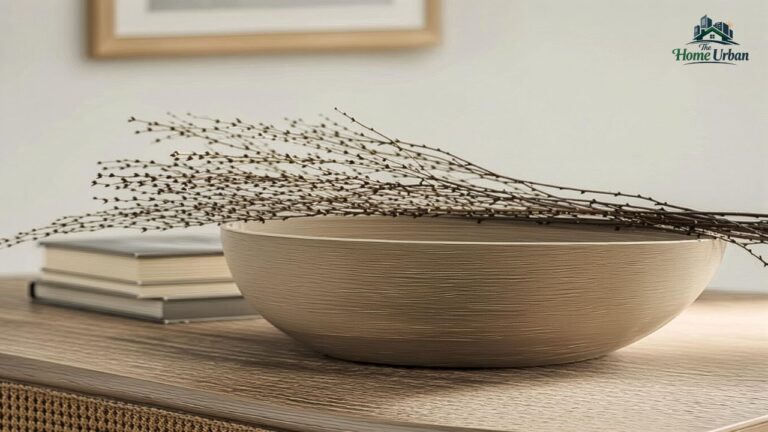
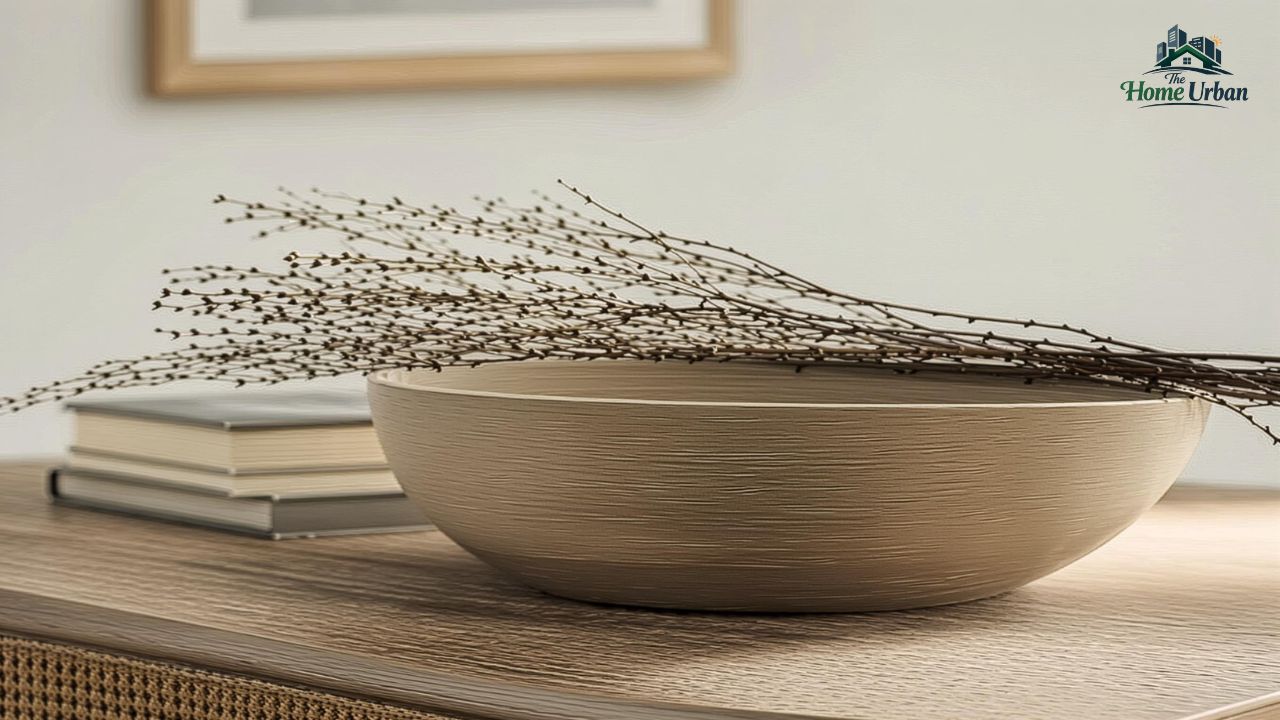
There is something almost magical about walking into a room and noticing a beautifully arranged dough bowl centerpiece sitting on the table. It draws your eye without demanding your attention, whispers of warmth and intention, and somehow makes a space feel pulled together in the most effortless way. Whether you are hosting a dinner party, refreshing your living room for a new season, or simply trying to bring a little more character into your home, a dough bowl centerpiece is one of the most versatile and rewarding decorating tools you will ever discover.
Dough bowls have a long and humble history. Originally used in farmhouse kitchens for mixing and proofing bread dough, these carved wooden vessels have been reclaimed by modern decorators who recognized their extraordinary potential as statement decor pieces. Today, the dough bowl is no longer confined to the kitchen. It lives on dining tables, coffee tables, entryway consoles, and mantelpieces across every design style imaginable.
What makes a dough bowl so appealing is its raw, organic texture. The hand-carved grooves and imperfect edges that once signified hard kitchen work now carry a kind of rustic elegance that mass-produced decor simply cannot replicate. Paired with the right fillers and seasonally appropriate accents, a single dough bowl can transform an entire room’s mood from flat and forgettable to layered and alive.
This guide covers everything you need to know about decorating with dough bowls, from understanding what they are and how to use them, to the best seasonal dough bowl ideas, curated filler inspiration, and answers to the questions decorators ask most. By the time you finish reading, you will know exactly how to make a dough bowl the most charming thing in your home.

What Is a Dough Bowl and What Are Dough Bowls Used For?
Before diving into styling strategies, it helps to understand the origins of this beloved object. A dough bowl is a large, hand-carved wooden vessel traditionally used by bakers for kneading and rising bread dough. Most antique versions were made from single pieces of wood, often poplar, pine, or cherry, and were a fixture in nearly every farmhouse kitchen in North America and Europe from the 1700s through the early 1900s.
So what is a dough bowl used for today? While a small handful of passionate bread bakers still use them for their original purpose, the vast majority of dough bowls you will find in homes and shops are now purely decorative. Their wide, shallow shape makes them ideal containers for seasonal displays, candle arrangements, fresh botanicals, dried flowers, and curated collections of natural objects. They work equally well as a large bowl centerpiece on a dining table or as a cozy accent on a coffee table.
Modern versions are crafted from mango wood, acacia, teak, and even white or whitewashed wood for those who prefer a lighter farmhouse palette. A white dough bowl, for instance, brings an airy, Scandinavian-meets-farmhouse quality that works beautifully in bright, minimal spaces. The small dough bowl is perfect for tighter surfaces like nightstands, end tables, or bathroom countertops, while a large dough bowl decor arrangement can anchor a sizeable dining table or entryway.
The key appeal of what to put in a dough bowl is the freedom it gives you. Unlike a vase, which requires specific proportions of water and stems, a dough bowl accepts nearly anything and makes it look intentional. That creative latitude is exactly what makes it such a beloved tool for home decorators of every style and experience level.
How to Style a Dough Bowl: The Fundamentals
Understanding how to style a dough bowl begins with recognizing a few foundational principles that apply regardless of the season or aesthetic you are working with. Whether you are going for a modern dough bowl look or a deeply traditional farmhouse dough bowl centerpiece, these rules will guide you toward a finished arrangement that looks balanced, intentional, and beautifully curated.
Start With a Focal Point
Every strong dough bowl arrangement needs one visual anchor. This might be a large pillar candle, a cluster of pumpkins, a dramatic botanical stem, or even a single lantern. Everything else in the bowl should support that focal point without competing with it. Think of it as a stage: your focal element is the lead actor, and the fillers and accents are the supporting cast.
Layer Your Heights
One of the most common mistakes when learning how to decorate a dough bowl is filling it with objects of uniform height. The result feels flat and uninspired. Instead, vary the heights intentionally. Place taller elements toward the back or center, medium-height pieces in the middle, and low-lying textures like moss, berries, or scattered acorns toward the front and edges. This creates a sense of depth and visual movement that makes the arrangement feel like it evolved naturally rather than being assembled all at once.
Use the Rule of Odds
Decorators have long followed the rule of odds: groupings of three, five, or seven objects tend to feel more visually interesting and organic than even-numbered pairings. When selecting dough bowl filler ideas, aim to work in odd numbers. Three candles of varying heights, five pinecones grouped around a central stem, or seven botanical elements clustered toward one end all create that satisfying sense of asymmetrical balance.
Consider Texture Over Color
A dough bowl that relies too heavily on matching colors can feel predictable. The most compelling arrangements tend to lead with texture: rough dried grasses against smooth glass votives, feathery eucalyptus against hard wood, soft moss against spiky dried thistles. Color naturally follows and coordinates once texture leads the way.
Choose Your Filler Base
Many decorators find it helpful to start with a soft base layer before adding primary fillers. Sheet moss, preserved boxwood, or a loose pile of thin wood shavings can serve as a natural ground that fills empty space between larger elements and prevents things from shifting around. This technique is especially useful in a large dough bowl where a lot of empty space might otherwise distract from the overall display.
Spring Dough Bowl Ideas That Feel Fresh and Light
When winter finally releases its grip and the world begins to warm and bloom again, spring dough bowl ideas are all about softness, freshness, and the quiet joy of renewal. Spring dough bowl decor tends to lean toward pale and pastel tones, delicate textures, and the unmistakable scent and look of new growth. This is the season to bring the outdoors in and let your dough bowl become a little garden of its own.
Fresh Botanicals and Faux Blooms
Nothing says spring quite like flowers, and your dough bowl is the perfect vessel for a floral arrangement that does not require a vase. Nestle a few small mason jars or floral foam bricks inside the bowl and fill them with fresh tulips, hyacinths, ranunculus, or daffodils. Alternatively, high-quality faux blooms in soft pinks, creamy whites, and buttery yellows work beautifully and last indefinitely, making them excellent spring bowl filler ideas for anyone who wants a low-maintenance setup.
Moss and Natural Greenery
Sheet moss, preserved ferns, and trailing eucalyptus give spring dough bowl decor that lush, garden-fresh feeling that is hard to achieve with any other material. Tuck a bed of sheet moss into the base of the bowl, then add small potted succulents, air plants, or tiny terracotta pots of herbs for a display that is both decorative and genuinely living. These spring dough bowl ideas work especially well on kitchen islands and dining tables where the greenery adds life without overwhelming the space.
Pastel Eggs and Nest Accents
For an Easter-adjacent spring display, speckled or pastel eggs nestled in a small bird’s nest create a charming vignette inside the bowl. Pair with a few sprigs of forsythia, flowering cherry branches, or decorative cherry blossoms. Miniature bunny figurines, small ceramic mushrooms, and linen ribbon tied loosely around the bowl itself all add to the whimsical spring feeling.
Summer Dough Bowl Ideas That Capture the Season’s Energy
Summer calls for boldness and brightness, and summer dough bowl ideas reflect that shift beautifully. When thinking about how to decorate a dough bowl for summer, think vibrant colors, tropical textures, sun-dried elements, and the casual, breezy energy of warm weather living. Summer dough bowl decor should feel like it belongs on a patio or beside an open window where afternoon light pours in.
Citrus and Tropical Fruit
One of the most gorgeous summer dough bowl decor arrangements involves fresh or faux citrus fruits. A pile of lemons, limes, oranges, and grapefruits inside a wooden bowl creates a display that is simultaneously colorful, fragrant, and functional. Mix in a few sprigs of fresh mint or rosemary for an herbal accent that adds both color and scent. If you prefer something that lasts longer, realistic faux citrus fruit is widely available and indistinguishable from the real thing in photographs.
Seashells and Coastal Accents
Summer naturally evokes the beach, and a coastal-themed dough bowl arrangement captures that feeling year-round. Fill the base with white sand or light-colored pebbles, then arrange a collection of shells, driftwood pieces, sea glass, and small starfish. A few pillar candles in coastal colors like seafoam, sandy white, or soft navy can anchor the display. This style of summer dough bowl ideas translates beautifully to both lake houses and urban apartments that simply want a touch of coastal calm.
Sunflowers and Wild Grasses
Few things capture summer as immediately and joyfully as a burst of sunflowers. A small floral frog or several short vases tucked inside the bowl can hold fresh sunflower stems at varying heights, while dried grasses, seed pods, and wheat stalks fill in the gaps and add that golden, late-summer texture. This is one of the most photogenic and crowd-pleasing summer dough bowl ideas, and it works on dining tables, kitchen islands, and outdoor entertaining surfaces equally well.
Winter Dough Bowl Ideas for a Cozy, Festive Home
As the temperatures drop and the light fades, winter dough bowl ideas lean into warmth, richness, and the beauty of natural materials gathered close. Winter is perhaps the season where a dough bowl feels most at home, because everything about the shape and texture of this carved wooden vessel evokes coziness and tradition.
Christmas Bowl Filler Ideas
Christmas bowl filler ideas are some of the most popular searches among dough bowl enthusiasts, and for good reason. The richness of the holiday palette plays beautifully against raw wood. Consider filling your dough bowl with a mixture of fresh or preserved evergreen clippings, plump red berries or holly sprigs, pine cones rolled in glitter or left natural, cinnamon sticks tied in bundles, and red or ivory pillar candles of varying heights. Add a few ornaments in complementary tones and a ribbon or two for a display that feels lavish without being overdone.
Candles and Warmth
Winter is candle season, and a dough bowl makes one of the most beautiful candle vessels you can imagine. Arrange three or five pillar candles of different heights inside the bowl, surrounded by dried orange slices, cinnamon bundles, and sprigs of fragrant cedar or juniper. The flicker of candlelight against the rough interior of the wooden bowl creates a warmth that is almost cinematic. Use battery-operated candles if open flames are a concern, particularly during the holiday season when the bowl might be on display for extended periods.
Neutral Winter Whites
Not every winter dough bowl decor arrangement needs to lean into Christmas color schemes. A collection of white and cream elements, including white birch twigs, bleached pinecones, ivory candles, white cotton stems, and soft neutral ribbons, creates a sophisticated winter tableau that works from November straight through to early spring without ever feeling out of season. This is one of the most enduringly elegant winter dough bowl ideas for those who prefer understated, tonal decorating.
Farmhouse Dough Bowl Decorating Ideas
The farmhouse aesthetic and the dough bowl were practically made for each other. Farmhouse dough bowl decorating ideas draw from a palette of natural textures, muted tones, and objects that feel genuinely worn and loved. If your home leans toward shiplap walls, linen textiles, and raw wood furniture, a farmhouse dough bowl centerpiece will feel like the piece that was missing all along.
Classic Farmhouse Fillers
Farmhouse dough bowl fillers tend to favor natural and tactile materials: raw cotton stems, dried lavender, preserved eucalyptus, jute ribbon, unbleached candles, reclaimed wood slices, and earthy ceramic pieces. The key to convincing farmhouse dough bowl decor is restraint and authenticity. Choose objects that look like they were gathered rather than purchased, even when they were bought from a home decor store.
Farmhouse Dough Bowl Centerpiece for the Dining Table
A dough bowl dining table centerpiece in the farmhouse style might combine a cluster of pillar candles with dried florals, a few scattered berries or acorns, and perhaps a small chalkboard tag propped against the bowl with a seasonal message. Keep the color palette in the range of whites, creams, grays, and natural wood tones. Add one small pop of a muted accent color, like dusty sage, terracotta, or faded burgundy, to give the arrangement a little dimension.
Wooden Dough Bowl Decorating Ideas for the Living Room
In the living room, wooden dough bowl decorating ideas often incorporate objects that are as interesting to touch as they are to look at. Living room decorative balls for bowls, for instance, are a longtime favorite. A collection of natural jute balls, wooden spheres, and woven grass orbs arranged inside a carved wooden bowl creates a textural still life that is simultaneously modern and timeless. This approach to round wooden bowl decorating ideas works particularly well on coffee tables, where guests naturally reach out to pick things up and examine them.
Dough Bowl Filler Ideas by Category
One of the most enjoyable aspects of decorating with dough bowls is the sheer range of bowl filler ideas available. The following categories offer organized inspiration for every taste, budget, and occasion.
Natural and Organic Fillers
These materials connect your arrangement to the natural world and tend to work in almost every aesthetic:
- Pinecones: natural, gilded, or frosted with fake snow
- Dried botanicals: lavender, eucalyptus, cotton stems, wheat
- Seasonal gourds and mini pumpkins
- Moss: sheet moss, reindeer moss, pillow moss
- Acorns, chestnuts, and seed pods
- Driftwood pieces and bark slices
- Fresh herbs tucked in small vases
Candles and Lighting
Candles are one of the most universally loved bowl filler decor elements:
- Pillar candles in varying heights
- Votive candles in glass holders
- Battery-operated taper or pillar candles
- Fairy lights loosely coiled inside the bowl
- Lanterns placed inside the bowl
Decorative Objects and Collected Items
These are the decorative bowl fillers ideas that add personality and individuality:
- Woven balls in natural fibers
- Glass orbs and mercury glass spheres
- Vintage spools, buttons, or found objects
- Small framed photos or art cards
- Ceramic figurines or mini sculptures
- Books stacked inside or beneath the bowl
Seasonal and Holiday Specials
Rotate these in and out with the calendar for an always-current dough bowl decorations display:
- Valentine dough bowl ideas: red and pink candles, silk rose petals, heart-shaped ornaments
- Easter: speckled eggs, tiny bunnies, blooms
- Fall: mini pumpkins, dried corn husks, warm-toned leaves
- Christmas: evergreens, ornaments, cinnamon sticks
- New Year: gold and silver orbs, sparkle elements
Dough Bowl Centerpiece Ideas for Every Room in the House
One of the most exciting things about the dough bowl is how naturally it adapts to different rooms and functions. Here is how to approach decorated dough arrangements in specific locations throughout the home.
Dining Table Bowl Arrangements
The dining table is the most classic location for a dough bowl centerpiece, and for good reason. A dough bowl dining table centerpiece creates a focal point that draws guests together and signals that a meal is being shared thoughtfully. For everyday dining, keep the arrangement simple: a few candles, some greenery, and a seasonal accent or two. For entertaining, go bigger and more dramatic. A dough bowl floral arrangements display with fresh blooms and trailing greenery spilling gently over the rim creates an impression that feels both abundant and effortless.
Coffee Table Bowl Ideas
Coffee table bowl ideas tend to differ from dining table displays because the coffee table is a more casual, interactive space. People set down drinks, pick things up, and spend time seated at eye level with whatever sits there. For this reason, coffee table dough bowl arrangements should be low and horizontal rather than tall and vertical, and they should include at least some elements that are interesting to handle. Smooth wooden spheres, polished stones, and a small stack of coffee table books alongside the bowl create a vignette that feels curated but lived-in.
Entryway and Console Table
An entryway dough bowl arrangement makes a powerful first impression. Because entryways are transitional spaces, the dough bowl here should signal something about the mood and character of the home beyond. A farmhouse dough bowl decor arrangement with cotton stems and neutral candles communicates calm and warmth. A modern dough bowl arrangement with geometric orbs and a single dramatic dried stem reads as edited and contemporary. Either way, the dough bowl on an entryway console becomes the visual handshake you offer every guest.
Fireplace Mantel and Shelf Displays
Dough bowls work beautifully on fireplace mantels and open shelves, where their organic shape contrasts pleasantly against straight architectural lines. On a mantel, a large dough bowl decor arrangement can anchor the center of the display while flanking objects like candlesticks, framed photos, or sculptural vases balance it on either side. On open shelving, a small dough bowl nestled among books and plants brings warmth to a collection that might otherwise feel too orderly and sterile.
How to Decorate a Dough Bowl: Step-by-Step Guide
If you are new to this craft, knowing how to decorate a dough bowl from start to finish can feel intimidating. Here is a practical process that works for any season, any aesthetic, and any level of experience.
Step 1: Choose Your Bowl
Start with the right vessel. Consider where the bowl will be displayed and what size feels proportionate to that surface. A large dough bowl works for dining tables and long console tables. A small dough bowl suits side tables, bathroom counters, and tight shelf spaces. Decide whether you prefer natural wood tones or a white dough bowl for a lighter, airier effect.
Step 2: Define Your Theme
Before purchasing any fillers, decide on a theme. Are you going for seasonal, like spring dough bowl ideas or winter dough bowl ideas? Are you going for a specific aesthetic like farmhouse dough bowl decorating ideas or elegant decorative bowl ideas? Having a clear direction prevents you from buying too much or ending up with an arrangement that looks chaotic and unfocused.
Step 3: Lay Your Base
Place your base layer first. Sheet moss, preserved boxwood, or even a thin layer of sand or small pebbles creates a foundation that fills the bowl and keeps taller elements stable. This step is often skipped by beginners, but it makes an enormous difference in the finished result.
Step 4: Add Focal Elements
Place your focal element first, the tallest or most visually prominent piece. Position it slightly off-center or toward the back of the bowl rather than dead center, which can feel too formal and static. Step back after placing each major element to assess the overall balance.
Step 5: Fill In and Finish
Fill in gaps with medium and small-scale fillers: moss, berries, small orbs, dried stems, or scattered acorns. These finishing elements are what give an arrangement that layered, abundant quality that reads as professional. A few small elements tucked toward the rim of the bowl create the impression that the arrangement is gently overflowing with beauty rather than sitting primly inside the container.
Elegant Decorative Bowl Ideas for Modern and Contemporary Homes
While the dough bowl has deep roots in farmhouse and country decor traditions, it has proven itself equally at home in modern and contemporary interiors. Elegant decorative bowl ideas for modern spaces tend to strip away the rustic sentiment and let the geometry and raw material of the bowl speak for itself.
In a contemporary setting, a modern dough bowl might be filled with a collection of large, smooth white quartz spheres or polished obsidian orbs. A single dramatic dried palm frond or pampas grass stem rising from one end adds architectural height without sentimentality. Wood bowl design ideas in this vein often use the contrast of the organic carved surface against ultra-clean, minimal fillers to create an interesting visual tension that feels both earthy and sophisticated.
Elegant decorative bowl ideas can also incorporate metallic elements: brass candleholders, gold-dipped pinecones, silver mercury glass votives. These touches elevate the humble dough bowl into something that feels genuinely luxurious and thoughtfully designed. The trick is to use metallics sparingly and to ensure they coordinate with other metal tones in the room.
Bread Bowl Decor Ideas: Using Rustic Vessels Beyond the Kitchen
Closely related to the dough bowl, bread bowl decor ideas draw on similar principles but often celebrate an even more weathered, kitchen-worn aesthetic. A decorative bread bowl might feature visible knife marks, deep staining from use, and the kind of imperfections that only generations of use can create. These antique bread bowls are often found at estate sales, antique markets, and online vintage shops, and they bring a level of authenticity to bread bowl centerpiece arrangements that newer reproductions rarely match.
Bread bowl decorating ideas work beautifully with dense, aromatic fillers like dried herbs, lavender bundles, cinnamon sticks, and dried orange slices, because these materials reference the original culinary purpose of the vessel while transforming it into pure decoration. How to decorate a bread bowl follows the same principles as dough bowl styling: layer heights, lead with texture, and work in odd numbers. A decorative bread bowl on a kitchen windowsill filled with fresh herbs or dried botanicals is both beautiful and deeply practical.
Frequently Asked Questions
What is the best thing to put in a dough bowl for everyday decor?
For everyday decor, the best dough bowl filler ideas include pillar candles paired with greenery, a mix of natural wooden spheres and woven balls, or a simple arrangement of dried botanicals like eucalyptus, lavender, and cotton stems. These options require no maintenance, look beautiful year-round, and can be updated with small seasonal accents without rebuilding the entire arrangement.
How do I choose the right size dough bowl for my table?
The right dough bowl size depends on the surface you are decorating. For a standard dining table, a large dough bowl between 18 and 24 inches long creates a strong centerpiece without overwhelming the table for four or six. A medium bowl of 12 to 16 inches works well for coffee tables and console tables. A small dough bowl under 12 inches is ideal for shelves, side tables, and bathroom surfaces.
Can I use real candles in my dough bowl centerpiece?
Yes, you can use real candles in a dough bowl centerpiece, but you should never leave them unattended and should ensure the candles are in holders that prevent wax from dripping directly onto the wood. Many decorators prefer battery-operated candles for extended display periods, particularly around the holidays when the bowl might be lit for hours at a time. The glow is virtually indistinguishable from real flame in a warm-lit room.
How do I clean and care for my dough bowl?
Dough bowls used purely for decorative purposes require minimal maintenance. Dust regularly with a soft cloth and avoid exposing the bowl to direct sunlight for extended periods, which can cause the wood to dry out and crack. If the bowl begins to look dry or dull, apply a thin coat of food-safe mineral oil or beeswax and allow it to soak in overnight. Wipe away any excess in the morning. Avoid using water or liquid cleaners, which can warp and damage the wood over time.
What are the best dough bowl filler ideas for fall?
Fall is one of the most rewarding seasons for dough bowl decorations. The best fall fillers include mini pumpkins and gourds in orange, white, and deep green, dried corn husks and maize, pinecones in varying sizes, branches of preserved autumn leaves, beeswax candles in amber and rust tones, cinnamon bundles, and dried sunflower heads. These dough bowl filler ideas collectively create an arrangement that is rich in texture, color, and seasonal warmth.
How do I make a dough bowl centerpiece look expensive?
Making a dough bowl centerpiece look expensive comes down to a few key choices. First, invest in one or two genuinely high-quality focal elements, such as a beautiful pillar candle or a dramatic dried floral stem, rather than many cheap pieces. Second, edit ruthlessly: a few carefully chosen items look more deliberate and luxurious than a bowl crammed with fillers. Third, ensure your color palette is tight and cohesive. Three to four coordinating tones always looks more polished than a rainbow of unrelated colors. Finally, make sure the bowl itself is appropriate for the space in terms of scale.
What is the difference between a dough bowl and a bread bowl?
While the terms are sometimes used interchangeably, dough bowls are typically larger, wider, and shallower than bread bowls. Dough bowls were designed for mixing and rising large batches of dough, so they needed ample interior space. Bread bowls were more often used for smaller quantities or for proofing individual loaves. In decorating terms, both vessels function similarly, but dough bowls tend to make more commanding large bowl centerpiece ideas because of their greater scale.
Can I use a dough bowl outdoors?
Wood is vulnerable to moisture, UV exposure, and temperature changes, so using an unprotected wooden dough bowl outdoors is not advisable for extended periods. However, you can bring a dough bowl onto a covered porch or outdoor dining table for a specific occasion, provided it is not left out in the rain or direct sun for long. If you want a permanent outdoor bowl centerpiece, look for bowls made from durable or treated wood, or use a faux concrete or resin version that captures the aesthetic without the maintenance concerns.
Conclusion
The dough bowl is one of those rare decorating objects that manages to be both deeply rooted in tradition and entirely adaptable to the present moment. Whether you are discovering dough bowl decor ideas for the first time or returning to refine an arrangement you have been building for years, the creative possibilities are genuinely limitless.
From the delicate freshness of spring dough bowl ideas to the bold warmth of summer displays, from the harvest richness of autumn arrangements to the quiet magic of winter dough bowl ideas, this simple carved wooden vessel holds an entire year’s worth of beauty within its rim. Whether your style runs toward farmhouse dough bowl centerpiece classics or sleek modern dough bowl minimalism, you will find that the dough bowl meets you exactly where you are and helps you express exactly who you are as a decorator.
Start with what you love, work in the materials that feel most natural to you, and do not be afraid to rearrange and experiment. The best dough bowl centerpiece is not the one that looks most like a magazine photograph. It is the one that makes you smile every time you walk into the room.