Introduction
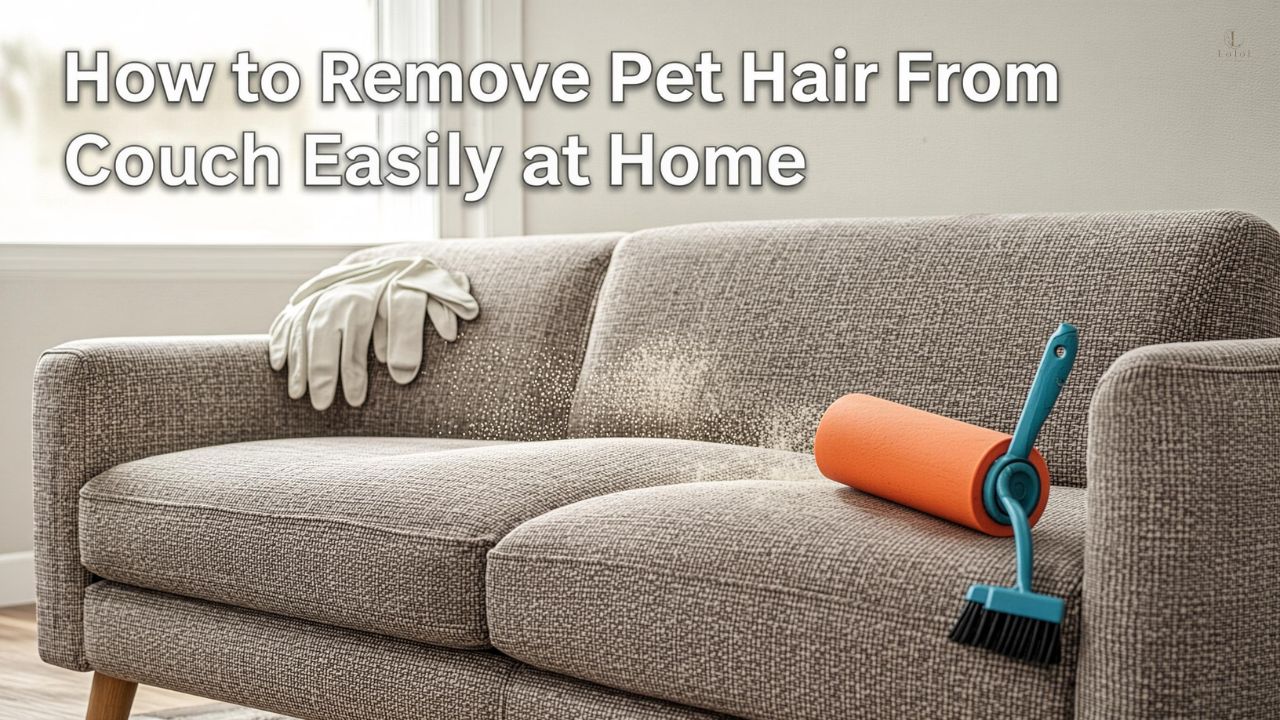
If you share your home with pets, you already know the struggle. One minute your couch looks clean and cozy, and the next it’s covered in fur that seems impossible to remove. Learning how to remove pet hair from couch surfaces effectively can save time, reduce frustration, and keep your furniture looking fresh every day.
Pet hair has a way of weaving itself into fabric, clinging to cushions, and spreading across upholstery faster than expected. While shedding is completely normal for cats and dogs, constantly battling fur buildup can make cleaning feel endless—especially on textured fabrics and dark-colored couches.
The good news is that removing pet hair doesn’t require expensive tools or professional cleaning services. With the right methods, a few household items, and some preventative habits, you can dramatically reduce fur buildup while keeping your couch soft, clean, and comfortable.
This guide covers practical cleaning techniques, helpful tools, fabric-safe methods, and maintenance tips that actually work for real pet owners.
Why Pet Hair Sticks to Couches So Easily
Pet fur clings to upholstery because of friction, static electricity, and fabric texture.
Certain materials attract hair more aggressively, including:
- Velvet
- Microfiber
- Wool blends
- Textured upholstery
Loose weaves and static-prone fabrics trap fur deep into fibers, making simple brushing ineffective.
Pet hair also combines with:
- Dust
- Oils
- Dander
- Moisture
This creates stubborn buildup that becomes harder to remove over time.
how to remove pet hair from couch Using Simple Household Tools
Rubber Gloves Work Surprisingly Well
One of the easiest and cheapest methods involves ordinary rubber cleaning gloves.
Here’s how:
- Put on slightly damp rubber gloves
- Rub your hands across the couch
- Watch hair gather into clumps
- Remove collected fur easily
The rubber creates friction that lifts embedded hair from upholstery.
This method works especially well on:
- Fabric sofas
- Car seats
- Cushions
- Pet beds
Use a Slightly Damp Sponge
A clean damp sponge can loosen fur without damaging fabric.
Gently drag the sponge across upholstery in one direction. Hair will collect into visible piles that are easier to vacuum or remove by hand.
Avoid soaking the fabric. Excess moisture can damage certain materials.
Dryer Sheets Reduce Static
Dryer sheets help loosen pet hair because they reduce static electricity.
Simply wipe the couch surface lightly with a dryer sheet before vacuuming.
Benefits include:
- Easier fur removal
- Fresher smell
- Reduced static buildup
This trick works especially well during dry weather seasons.
Best Vacuums for Pet Hair Removal
Vacuuming remains one of the most effective long-term solutions.
Use Upholstery Attachments
Specialized upholstery tools help lift fur trapped in fabric fibers.
Look for:
- Rubberized attachments
- Motorized brush heads
- Narrow crevice tools
These improve suction efficiency significantly.
Vacuum in Multiple Directions
Pet hair embeds itself in different angles within fabric.
Vacuum:
- Horizontally
- Vertically
- Diagonally
Changing directions helps lift stubborn fur more effectively.
HEPA Filters Help With Allergens
Pet hair often carries dander and dust.
HEPA-filter vacuums improve:
- Air quality
- Allergy reduction
- Deep cleaning performance
They’re especially useful for households with allergies or asthma.
Lint Rollers and Sticky Solutions
Lint rollers remain a classic solution for quick touch-ups.
Extra-Wide Lint Rollers Save Time
Large rollers cover more surface area and work well for:
- Sofas
- Sectionals
- Large cushions
They’re ideal for daily maintenance between deeper cleanings.
Packing Tape as a Backup Option
If you don’t have a lint roller, strong packing tape works surprisingly well.
Wrap tape around your hand with the sticky side facing outward and pat the couch surface gently.
This quickly lifts loose fur from fabric.
Reusable Pet Hair Rollers
Reusable rollers reduce waste and work effectively on heavy shedding areas.
Many silicone or rubber versions:
- Wash easily
- Last longer
- Grip hair better than disposable sheets
Fabric Types and Pet Hair Challenges
Different couch materials require different cleaning approaches.
Microfiber Couches
Microfiber traps hair deeply because of its texture.
Best cleaning methods:
- Rubber gloves
- Vacuum brush attachments
- Fabric-safe brushes
Avoid excessive moisture.
Leather and Faux Leather
Leather surfaces don’t trap fur as deeply, making cleanup easier.
Use:
- Dry microfiber cloths
- Soft brushes
- Handheld vacuums
Condition leather regularly to maintain quality.
Velvet and Textured Fabrics
These materials attract hair aggressively.
A combination of:
- Vacuuming
- Rubber tools
- Fabric brushes
usually works best.
how to remove pet hair from couch Without Damaging Fabric
Protecting upholstery matters just as much as removing fur.
Test Cleaning Tools First
Always test:
- Brushes
- Cleaning sprays
- Rubber tools
on hidden sections before full use.
Certain fabrics can snag or discolor easily.
Avoid Harsh Scrubbing
Aggressive scrubbing may:
- Damage fibers
- Fade upholstery
- Create pilling
Gentle repeated passes are safer and more effective.
Use Fabric-Safe Cleaning Sprays
Light fabric sprays designed for upholstery can loosen fur while refreshing the couch.
Avoid overly wet products on delicate fabrics.
Preventing Pet Hair Buildup on Furniture
Prevention reduces cleaning time dramatically.
Groom Pets Regularly
Frequent brushing removes loose fur before it reaches furniture.
Long-haired pets especially benefit from:
- Daily brushing
- Deshedding tools
- Regular grooming appointments
Healthy coats also shed less excessively.
Wash Pet Bedding Frequently
Hair transfers easily from pet beds to couches.
Wash:
- Blankets
- Cushion covers
- Pet beds
weekly to reduce loose fur throughout the home.
Use Washable Couch Covers
Protective covers simplify maintenance dramatically.
Benefits include:
- Easier cleaning
- Reduced upholstery wear
- Faster hair removal
Machine-washable covers are ideal for heavy-shedding pets.
Daily Habits That Keep Couches Cleaner
Small habits make a major difference over time.
Quick Daily Vacuuming
Even five minutes of light vacuuming prevents heavy buildup.
Focus on:
- Seat cushions
- Armrests
- Pet sleeping spots
Consistency matters more than deep cleaning frequency.
Keep a Lint Roller Nearby
Easy access encourages faster cleanup before fur accumulates heavily.
Designate Pet Zones
Training pets to rest in specific couch areas limits fur spread across the entire sofa.
Blankets or pet mats help contain shedding.
Natural Cleaning Solutions for Pet Hair
Many homeowners prefer chemical-free methods.
Baking Soda Before Vacuuming
Sprinkle light baking soda across upholstery before vacuuming.
Benefits include:
- Loosening hair
- Absorbing odors
- Refreshing fabric
Let it sit for 10–15 minutes before vacuuming thoroughly.
White Vinegar Fabric Spray
A diluted vinegar solution can reduce static and loosen embedded hair.
Mix:
- Equal parts water and vinegar
Lightly mist fabric before wiping or vacuuming.
Always spot test first.
Fabric Brushes
Soft upholstery brushes help lift trapped fur naturally without harsh chemicals.
Common Mistakes Pet Owners Make
Using Too Much Water
Oversaturating couches can:
- Cause mildew
- Damage cushions
- Leave water stains
Always use minimal moisture.
Ignoring Hair Build-Up
Allowing fur to accumulate makes removal significantly harder over time.
Frequent maintenance is easier than occasional deep cleaning.
Using the Wrong Vacuum Attachment
Standard vacuum heads may push hair deeper into fabric instead of lifting it properly.
Specialized upholstery tools work far better.
Best Tools for Heavy Shedding Pets
Some pets shed far more than others.
Deshedding Brushes
Popular for dogs and cats with thick undercoats, these brushes reduce loose fur significantly before it spreads indoors.
Pet Hair Removal Gloves
These gloves work well for:
- Grooming pets directly
- Collecting loose fur
- Reducing airborne hair
Handheld Vacuums
Compact handheld vacuums simplify daily touch-ups and quick cleaning sessions.
Seasonal Shedding and Couch Cleaning
Pets often shed more heavily during seasonal coat changes.
Increase Grooming During Shedding Seasons
Spring and fall often require:
- More frequent brushing
- Extra vacuuming
- Daily maintenance
Air Purifiers Help Reduce Fur Circulation
Air purifiers trap airborne dander and floating fur before it settles on furniture.
This improves:
- Cleanliness
- Air quality
- Allergy control
Cleaning Pet Hair From Couch Cushions
Cushions trap fur deeply because of constant pressure and friction.
Remove Cushion Covers When Possible
Machine-washable covers make deep cleaning much easier.
Clean Under Cushions Regularly
Hair accumulates heavily between cushions and underneath seating areas.
Vacuum hidden sections weekly.
Rotate Cushions Frequently
Rotating cushions distributes wear and prevents excessive fur buildup in one area.
Choosing Pet-Friendly Couch Fabrics
If you’re buying new furniture, fabric choice matters.
Best Couch Fabrics for Pet Owners
Recommended options include:
- Leather
- Tightly woven microfiber
- Canvas
- Denim-like fabrics
These resist hair attachment more effectively.
Avoid High-Maintenance Materials
Certain fabrics attract excessive fur and stain easily, including:
- Velvet
- Chenille
- Loose weaves
Low-maintenance fabrics save time long-term.
FAQ
Frequently Asked Questions
What removes pet hair from couches best?
Rubber gloves, upholstery vacuums, lint rollers, and reusable pet hair tools are among the most effective solutions.
How often should I clean pet hair from my couch?
Light cleaning daily or every few days prevents heavy buildup and makes maintenance easier.
Do dryer sheets help remove pet hair?
Yes. Dryer sheets reduce static electricity, helping loosen fur from upholstery surfaces.
Can vacuuming damage couch fabric?
Not usually, but harsh brush attachments or aggressive scrubbing may damage delicate upholstery over time.
What couch fabric is best for pet owners?
Leather and tightly woven microfiber are generally easiest to maintain and resist pet hair buildup better.
How do I stop pet hair from sticking to furniture?
Regular grooming, washable covers, frequent vacuuming, and reducing static buildup help significantly.
Does baking soda help with pet hair?
Yes. Baking soda loosens embedded fur while also neutralizing odors before vacuuming.
Are reusable pet hair rollers worth it?
Yes. They’re cost-effective, environmentally friendly, and often grip hair more efficiently than disposable rollers.
Can pet hair ruin couch fabric?
Over time, embedded hair and excessive scratching can wear down upholstery fibers if not maintained properly.
What’s the fastest way to clean pet hair before guests arrive?
A lint roller, damp rubber glove, or handheld vacuum provides quick and effective last-minute cleaning.
Conclusion
Living with pets doesn’t mean constantly fighting fur-covered furniture. Once you understand how to remove pet hair from couch surfaces effectively, cleaning becomes faster, easier, and far less frustrating. The right combination of daily habits, proper tools, and preventative care can keep your couch looking clean while still allowing your pets to enjoy the space comfortably.
From rubber gloves and lint rollers to upholstery vacuums and washable covers, simple solutions often work surprisingly well. Consistent maintenance matters far more than occasional deep cleaning marathons. With a few practical adjustments, you can enjoy both a cozy pet-friendly home and cleaner, fresher furniture every day.