A hallway can be clean, freshly painted, and beautifully lit—and still feel strangely unfinished. That is where a loloi runner earns its place: it adds softness, movement, color, and that quiet “someone really thought about this” feeling the moment you step inside.
Runners matter because narrow spaces are often the hardest parts of a home to decorate. Hallways, kitchens, laundry rooms, mudrooms, and entries take daily abuse, yet they are also the paths guests notice first. A good runner makes those spaces warmer without cluttering them.
In reality, choosing a runner is not only about liking a pattern. You have to think about length, pile height, material, grip, cleaning, door clearance, furniture scale, and how the rug will look after months of shoes, pets, crumbs, and rushed mornings.
The helpful news? Loloi offers a wide range of rug styles, from traditional and textural designs to modern, abstract, global, and machine-washable options, with official runner size filters that include 8′, 10′, 12′, and 14’+ lengths. That makes the category flexible enough for compact apartments, long corridors, open kitchens, and layered designer-style homes.
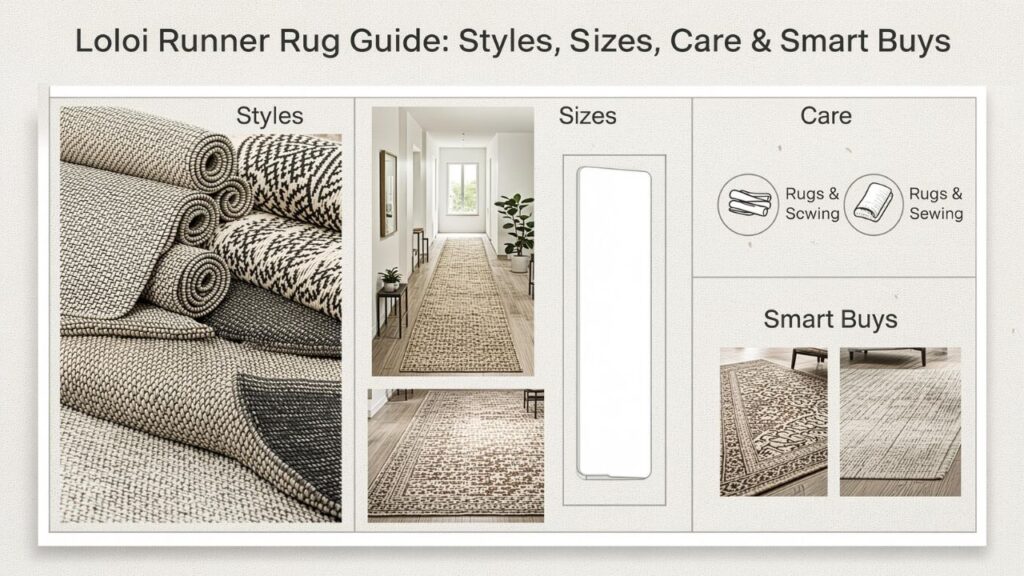
Table of Contents
- Why Runner Rugs Change the Mood of a Home
- What Is a loloi runner?
- Brand Background, Design Journey, Achievements, and Value
- Best Places to Use a Runner
- How to Choose the Right Size
- Materials, Pile Height, and Construction
- Styles, Colors, and Patterns That Work Best
- Washable, Indoor/Outdoor, and High-Traffic Options
- Rug Pads, Safety, and Placement
- Cleaning and Maintenance
- Buying Checklist and Common Mistakes
- How to Compare Loloi Collections Without Getting Overwhelmed
Why Runner Rugs Change the Mood of a Home
A runner rug works like a visual invitation. Instead of letting a hallway feel like a pass-through, it turns the floor into part of the design story. The effect is subtle but powerful: the space feels warmer, the acoustics soften, and the eye has something beautiful to follow.
Think about the last home you entered that felt instantly welcoming. Chances are, the entry did not depend on a dozen decorative objects. It probably had one or two thoughtful choices: a lamp, a mirror, a bench, maybe a textured runner underfoot. That is the charm of a narrow rug. It does not shout. It guides.
There is also a practical side. Hallways and kitchens often collect the most visible wear. A patterned runner can help disguise dust, small marks, and day-to-day traffic better than a bare floor. It can also protect wood, tile, or laminate in areas where people naturally walk the same path over and over.
However, the wrong runner can create the opposite effect. Too short, and it looks like a bath mat. Too thick, and it catches under doors. Too slippery, and it becomes a tripping hazard. Too busy, and it fights with cabinets, wall art, or flooring. The goal is not simply to fill the floor. The goal is to make the space feel intentional.
What Is a loloi runner?
A loloi runner is a long, narrow rug from Loloi designed for spaces where a full-size area rug would be too wide, such as hallways, kitchens, entryways, mudrooms, laundry rooms, and alongside beds. It brings the same design language as larger rugs—pattern, texture, color, softness, and craftsmanship—but in a shape made for movement.
In simple terms, a runner is usually chosen for three reasons:
- To add warmth and visual interest to a narrow space
- To protect flooring in high-use walking paths
- To connect one area of the home to another
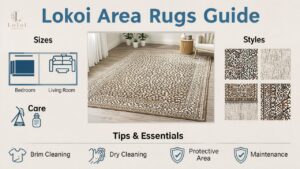
Loloi’s catalog structure makes it clear that shoppers can browse rugs by color, style, collection, size, and shape. On its official site, runner filters include 8′, 10′, 12′, and 14’+ options, while style filters include traditional, modern, textural, abstract, illustrative, and global/ethnic categories.
That variety is important because every home has a different rhythm. A family kitchen may need a low-profile, easy-clean design. A formal hallway may call for something vintage-inspired and muted. A rental apartment may benefit from a non-slip rug pad and a flexible, affordable runner that moves easily when the lease ends.
Brand Background, Design Journey, Achievements, and Value
Loloi is not a random label stamped on trend-driven rugs. The company describes itself as a textile brand for the “thoughtfully layered home,” with a focus on rugs, pillows, throws, wall art, and related decor. Its own About page says Amir Loloi started the company about 20 years ago, and its public company profile describes Loloi as family-owned and led since 2004.
The brand’s journey is closely tied to designer-friendly style at a more reachable price point than many heirloom or custom rugs. Over time, Loloi has expanded into broad collections and high-visibility collaborations. Its official site lists collaborations including Magnolia Home, Chris Loves Julia, Amber Lewis, Jean Stoffer, Rifle Paper Co., Carrier & Company, Angela Rose, Brigette Romanek, and others.
Achievements matter in a buying guide because they speak to consistency. Loloi’s public company profile notes that it has introduced thousands of products and won the ARTS Award for “Best Rug Manufacturer” multiple times, including 2010, 2011, 2015, 2016, 2018, 2023, and 2025.
As for net worth, there is no reliable public estimate for Amir Loloi’s personal net worth that should be treated as fact. A more useful financial insight for shoppers is value positioning: Loloi sells through retailers and trade channels, offers many machine-made and printed designs alongside handmade pieces, and provides enough range for budget-conscious, performance-friendly, and designer-collaboration choices.
That said, value does not mean every rug is equal. A low-profile printed runner, a wool hand-tufted runner, and an indoor/outdoor runner will feel different underfoot, age differently, and require different care. The smart buyer looks beyond the photograph and checks fiber content, pile height, backing, care notes, and return policy before ordering.
Best Places to Use a Runner
The best place for a runner is wherever your home has a long visual line, repeated foot traffic, or a cold-looking strip of floor. Placement is what separates a rug that looks designed from one that looks randomly dropped.
Hallways
A hallway is the classic runner location. Choose a rug that leaves some floor visible along both sides so it does not look squeezed wall to wall. In many homes, a few inches of exposed flooring on each side makes the layout feel cleaner and more balanced.
Kitchens
A kitchen runner is both beautiful and risky. It sits near spills, crumbs, cooking oils, pet bowls, and heavy foot traffic. For that reason, low-pile rugs, washable constructions, indoor/outdoor materials, or darker vintage-inspired patterns tend to be more forgiving.
Entryways and Mudrooms
Entries need durability. Shoes, umbrellas, backpacks, and wet paws can quickly make delicate fibers look tired. A patterned runner can help, but the foundation matters just as much. Use a rug pad, check that the door clears the pile, and consider a design that will not show every speck of dust.
Bedrooms
A runner beside the bed is an underrated move. It gives your feet a soft landing in the morning without requiring a large area rug under the entire bed. This works especially well in small bedrooms where an 8′ x 10′ rug would overwhelm the floor plan.
Laundry Rooms
Laundry rooms are usually practical, not pretty. A narrow rug can soften the space, reduce the hard echo of tile, and make folding clothes feel a little less like a chore. Choose something easy to shake out or spot clean.
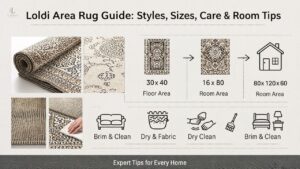
[Infographic: Runner sizing cheat sheet showing hallway, kitchen, entryway, bedside, and laundry room placement with ideal spacing notes.]
How to Choose the Right Size
Size is the decision that makes or breaks a runner. Pattern matters, but proportion is what your eye notices first. A beautiful rug in the wrong size will still feel off.
A good rule is to leave visible flooring around the runner. In a narrow hallway, that may mean roughly 3 to 6 inches on either side, depending on the width of the space. In a wider hallway or kitchen, you may have more room to breathe. The rug should look centered, not trapped.
For length, avoid placing a runner that ends too close to a doorway, cabinet break, or furniture edge unless it is intentional. The rug should guide movement through the space. A runner that stops in a random spot can make the room feel chopped up.
The official Loloi site organizes runners by 8′, 10′, 12′, and 14’+ lengths, which gives shoppers a practical starting point for measuring before they compare designs.
| Space | Common Fit Goal | Practical Tip |
|---|---|---|
| Short hallway | Runner ends before door swings | Measure door clearance before ordering |
| Long hallway | Runner visually connects both ends | Consider 10′, 12′, or 14’+ lengths |
| Kitchen island area | Runner follows the island line | Keep it centered with the cabinet run |
| Galley kitchen | Runner fills the walkway | Choose low pile for easy movement |
| Bedside | Runner extends beyond nightstand area | Match length to bed size and walkway |
| Mudroom | Runner handles shoes and moisture | Use durable fibers and a strong pad |
Before buying, measure twice: once for the total floor area, and once for the usable rug area after allowing border space. This tiny step prevents one of the most frustrating online rug mistakes—falling in love with a design that simply does not fit.
Materials, Pile Height, and Construction
Material determines how a rug feels, cleans, sheds, and wears. Pile height determines how easily doors open, chairs move, vacuums glide, and dirt hides.
Low-Pile and Printed Rugs
Low-pile printed rugs are popular because they slide under doors more easily, vacuum with less effort, and often cost less than thick handmade pieces. They can be especially useful in hallways, kitchens, and entryways.
The trade-off is that they may feel thinner underfoot. That is not necessarily bad. Pairing a low-profile rug with a quality pad can add comfort while keeping the rug practical.
Wool Rugs
Wool has a rich, natural feel and can offer beautiful texture. It is often chosen for spaces where comfort and craft matter. However, wool can shed, may need more careful cleaning, and is not always the best choice for messy kitchens or wet entries.
Polyester and Synthetic Fibers
Synthetic fibers such as polyester or polypropylene are common in accessible rug designs because they can support printed patterns, color variation, stain resistance, and lower price points. They are often practical for busy homes, though quality varies by collection and construction.
Indoor/Outdoor Constructions
Indoor/outdoor rugs are useful when you want durability and easier cleaning. They can work in mudrooms, covered porches, sunrooms, laundry rooms, and casual kitchens. The texture is usually less plush, but that can be a benefit in hard-working areas.
Pile Height Checklist
Before choosing a rug, ask:
- Will a nearby door swing over it?
- Will a robot vacuum need to cross it?
- Will kids or older adults walk through the space often?
- Will chairs, stools, or carts move over it?
- Is softness or easy cleaning more important here?
A loloi runner can look refined and still be practical, but only if its construction matches the room. A plush wool piece may feel lovely beside a bed. In a kitchen, a thinner washable or performance-style runner might be the happier choice.
Styles, Colors, and Patterns That Work Best
The best runner does not always match the room exactly. Sometimes it brings contrast. Sometimes it calms everything down. The trick is to decide what job the rug should do before you shop.
Vintage-Inspired Patterns
Vintage-inspired runners are popular because they hide wear gracefully and work with many decor styles. A faded medallion, Persian-inspired border, or antique-style floral can add soul to new flooring, plain walls, or simple shaker cabinets.
Use this style when a room feels flat. A vintage-look runner can make builder-grade spaces feel collected, especially when paired with brass hardware, woven baskets, ceramic lamps, or warm wood tones.
Neutral and Textural Designs
Neutral runners are best when the room already has pattern elsewhere. If you have bold wallpaper, busy countertops, colorful artwork, or patterned curtains, choose a calmer rug. Look for beige, ivory, natural, taupe, grey, brown, charcoal, or muted blue.
Texture matters in neutral designs. Without texture, a plain rug can look lifeless. With subtle ribbing, woven detail, or tonal variation, it feels quiet but not boring.
Modern and Abstract Styles
Modern rugs work well in apartments, open-plan homes, and rooms with clean-lined furniture. Abstract patterns can soften sharp architecture without feeling traditional. They also hide marks better than flat solid colors.
Color Guidance
Use the floor as your anchor. On dark floors, lighter runners can brighten the path. On pale oak or light tile, deeper colors add definition. In kitchens, consider the cabinet color: warm wood loves earth tones; white cabinets can handle blue, charcoal, rust, sage, or soft multi-color patterns; black cabinets often look striking with faded ivory, tan, or antique-inspired designs.
A loloi runner should feel connected to at least two things in the room: the flooring, the cabinetry or wall color, the hardware, the art, or nearby textiles. It does not have to match all of them. In fact, overly perfect matching can feel stiff.
Washable, Indoor/Outdoor, and High-Traffic Options
Modern homes are not showrooms. People spill coffee. Dogs track mud. Kids drop snacks. Guests forget to wipe their shoes. That is why performance matters.
Loloi’s site includes machine-washable and indoor/outdoor categories, which is helpful for shoppers who need more than a pretty pattern.
Washable options can be appealing in kitchens, entries, laundry rooms, and family hallways. Still, “washable” does not mean indestructible. Always read the product-specific care instructions, check whether the rug fits your washing machine, and avoid assuming that every rug from the same brand cleans the same way.
Indoor/outdoor runners are also worth considering. They are usually designed for tougher conditions and easier cleanup, though they may feel flatter or less cozy than indoor-only rugs. In a mudroom or covered entry, that trade-off may be perfect.
High-traffic homes should look for:
- Low pile
- Pattern variation
- Durable fiber content
- Clear care instructions
- Non-slip rug pad compatibility
- Colors that do not show every crumb or footprint
On the other hand, if the runner is mainly decorative—say, in a guest hallway or beside a bed—you can prioritize softness, artistry, and texture over washability.
Rug Pads, Safety, and Placement
A rug pad is not glamorous, but it is one of the smartest things you can buy. Loloi’s rug pad page says pads help prevent slipping, add cushion, and improve durability, while one of its premium grip pads is described as trimmable and designed for grip, cushion, air circulation, and easier vacuuming.
This matters even more with runners because narrow rugs shift more easily than large rugs anchored by furniture. In a hallway, a sliding runner is annoying. In an entry or kitchen, it can be unsafe.
How to Place a Runner Correctly
Follow these placement basics:
- Center it with the hallway, island, cabinet run, or bed.
- Keep a visible floor border on both sides.
- Avoid curling corners near doorways.
- Trim the rug pad slightly smaller than the rug.
- Make sure doors, drawers, and appliances open freely.
- Re-check the placement after the first few days of use.
Do not skip the pad because the rug “seems fine.” Floors can be slick, backing materials vary, and movement builds over time. The right pad also makes thin rugs feel more substantial, which can change the entire experience underfoot.
[Image 3: A narrow kitchen with a low-profile vintage-style runner placed along the island, leaving even floor borders on both sides.]
Cleaning and Maintenance
Care depends on the individual rug, not just the brand name. Loloi’s FAQ says each product page provides care instructions and recommends consulting a professional rug cleaner when in doubt.
That advice is worth taking seriously. A wool runner, a printed polyester runner, and an indoor/outdoor runner should not all be treated the same way.
Everyday Care
For everyday maintenance:
- Vacuum regularly with a gentle setting.
- Shake out small runners when practical.
- Blot spills quickly instead of rubbing.
- Rotate the rug every few months if one end gets more traffic.
- Keep heavy moisture away unless the rug is made for it.
- Check corners and edges for curling.
Spill Response
When a spill happens, do not panic and scrub aggressively. Blot first with a clean, dry cloth. If the product instructions allow moisture, use a small amount of water or recommended cleaner, then blot again. Rubbing can push stains deeper and distort fibers.
Pet and Kid Homes
If pets or children are part of the household, choose forgiving patterns and practical fibers from the beginning. A cream runner in a muddy entry may be gorgeous on day one and heartbreaking by week three. A muted patterned runner can still look beautiful while being kinder to real life.
When to Call a Professional
Call a professional rug cleaner when the rug is wool, antique-style, heavily stained, strongly odorous, or unclear in its care instructions. It may feel inconvenient, but replacing a damaged runner is usually more expensive than cleaning it properly.
Buying Checklist and Common Mistakes
Buying a runner online can be surprisingly emotional. You see one styled photo, imagine your hallway transformed, and suddenly forget to check the basics. Slow down. A beautiful choice should also be a sensible one.
Quick Buying Checklist
Before ordering, confirm:
- Exact hallway or room measurements
- Door clearance and appliance clearance
- Rug width and length
- Pile height
- Fiber content
- Backing type
- Care instructions
- Rug pad needs
- Return policy
- Whether the color may vary by screen or lighting
Common Mistakes to Avoid
The first mistake is buying too small. A short rug in a long hallway feels disconnected. When in doubt, tape the rug size on the floor with painter’s tape and live with the outline for a day.
The second mistake is ignoring pile height. Thick rugs can interfere with doors, pantry cabinets, low-clearance appliances, and robot vacuums.
The third mistake is choosing a very pale rug for a dirty zone. Light runners can be stunning, but they need the right environment.
The fourth mistake is skipping a rug pad. Even a beautiful loloi runner can feel cheap or frustrating if it slides, wrinkles, or bunches.
The fifth mistake is shopping only by photo. Read the details. Styled images are inspiring, but specifications tell you how the rug will behave in your home.
How to Compare Loloi Collections Without Getting Overwhelmed
Loloi has enough collections and collaborations that browsing can become a rabbit hole. The easiest approach is to filter by room need first, then style.
Start with function: is the space messy or clean, decorative or heavily used, washable or indoor-only, near an exterior door or tucked safely beside a bed? Then move to style: traditional or modern, neutral or colorful, smooth and printed or textured and woven.
The official site’s filters for color, style, size, and collection are useful because they let you narrow the search before falling for a pattern that may not work.
For designer-inspired spaces, explore collaboration lines. For a cozy farmhouse mood, Magnolia Home may appeal. For romantic florals and artistic color, Rifle Paper Co. designs are worth browsing; the collaboration page notes designs across rugs, pillows, and wall art, and describes new washable options in the Orchard collection.
The goal is not to find the most popular rug. The goal is to find the runner that fits your home’s traffic, palette, and personality.
FAQs
Is a loloi runner good for hallways?
Yes, it can be a strong choice for hallways because Loloi offers runner lengths, many patterns, and several low-profile options. Measure carefully, leave visible floor space along the sides, and use a non-slip rug pad for safety.
What size runner should I buy for a hallway?
Choose a length that feels intentional in the space. Common options include 8′, 10′, 12′, and longer runners. Leave a border of visible flooring on both sides and avoid ending the rug in an awkward spot.
Can I use a runner in the kitchen?
Yes, but choose carefully. Kitchens need low-pile, durable, easy-care rugs because spills and crumbs are inevitable. A washable or indoor/outdoor style can be practical, depending on the exact product.
Do these runners need a rug pad?
In most cases, yes. A rug pad helps reduce slipping, adds cushion, protects flooring, and can improve durability. It is especially important in hallways, entries, and kitchens.
Are washable Loloi rugs really machine washable?
Some Loloi rugs are listed in machine-washable categories, but you should always read the care instructions on the specific product page. Size, fiber, backing, and washing machine capacity all matter.
Which pattern hides dirt best?
Distressed, vintage-inspired, tonal, and multi-color patterns usually hide dirt better than flat solid colors. For entries and mudrooms, avoid very pale rugs unless you are prepared for frequent cleaning.
What is the best pile height for a runner?
Low pile is usually best for hallways, kitchens, entries, and homes with doors or robot vacuums. Higher pile can feel cozy beside a bed but may be less practical in busy walkways.
How do I style a runner with wood floors?
Use contrast. Light wood pairs beautifully with warm rust, blue, sage, charcoal, or antique neutrals. Dark wood often looks good with ivory, beige, faded taupe, or softly patterned designs.
Is a loloi runner worth it?
It can be worth it if you choose the right size, material, and construction for your space. The brand offers broad style choices, designer collaborations, and practical categories, but the best value comes from matching the rug to real household use.
Conclusion
A runner may seem like a small design choice, but it can completely change how a home feels. It softens hard floors, guides the eye, protects busy walkways, and gives overlooked spaces a sense of care.
The best loloi runner is not simply the prettiest one in a product photo. It is the one that fits your measurements, clears your doors, works with your lifestyle, suits your color palette, and feels good to live with every day.
Measure first. Choose the right pile height. Use a rug pad. Read the care instructions. Then let pattern, texture, and color bring the space to life. When those pieces come together, even the plainest hallway or kitchen can feel warm, polished, and quietly personal.